Pre-qualified smart coding platforms, modular circuits, and physical computing solutions optimized for Australian early learning requirements and public academy implementations.
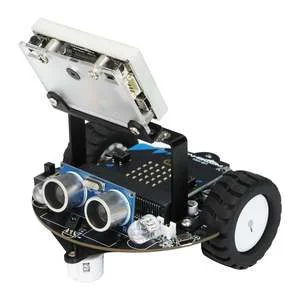
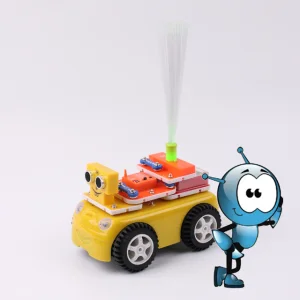
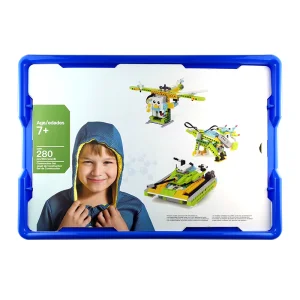
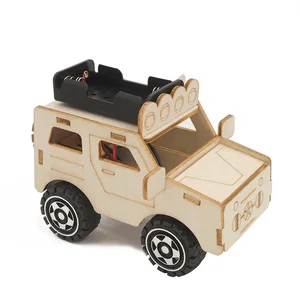
As the political and administrative hub of Australia, the Canberra market exhibits a unique socioeconomic profile. Characterized by high median household incomes, a highly tertiary-educated population, and a dense concentration of federal departments, research centers (such as CSIRO), and academic institutions (including the Australian National University and University of Canberra), the demand for high-caliber education is paramount. This environment has cultivated a highly discerning consumer base for children's educational materials, specifically within the Science, Technology, Engineering, and Mathematics (STEM) categories.
In recent years, the ACT Government’s "Future of Education Strategy" has intensified the focus on digital literacy, computational thinking, and early systems engineering. Schools across Belconnen, Tuggeranong, and Gungahlin are rapidly transitioning from passive computer literacy to active physical computing and mechanical assembly. For international buyers, local toy distributors, and institutional school procurement units in the Australian Capital Territory (ACT), locating reliable, direct-from-factory manufacturing partners is crucial to supply this high-end segment. The current local supply chain requires high reliability, absolute chemical and physical safety, and software interfaces compatible with regional school infrastructure.
Furthermore, Canberra's retail market—encompassing boutique science museum outlets like the Questacon shop, regional shopping precincts such as Westfield Belconnen and Canberra Centre, and educational supply distributors—demands products that deliver high information gain, physical longevity, and immediate classroom utility. Importers must bypass intermediaries and establish direct ties with top-tier R&D-led production facilities to maintain strong retail margins and secure exclusive product configurations.
Establishing a resilient supply chain between advanced electronic production corridors in South China (Shenzhen) and the ACT requires a deep understanding of logistics, regulatory clearances, and transit pathways. For Canberra-based importers, the standard shipping pathway routes through the Port of Sydney (Botany Bay) via ocean freight, followed by intermodal road transport along the Federal Highway to regional logistics hubs in Fyshwick, Mitchell, or Hume.
For mid-sized distributors in Canberra, Less-than-Container Load (LCL) consolidation at Shenzhen ports offers a flexible initial footprint, while Full Container Load (FCL) shipping minimizes per-unit logistics overhead for large institutional seasonal contracts.
Leveraging the China-Australia Free Trade Agreement (ChAFTA) allows registered importers in Canberra to secure preferential tariff treatments (often 0% duty rates) on qualifying educational electronics (HS Code 9503.00), provided correct Certificate of Origin documentation is supplied by the factory.
From injection molding and PCB fabrication to final box-build assembly in Shenzhen, standard manufacturing timelines range between 30 to 45 days. Added to a maritime transit of 18–25 days and customs clearance, Canberra entities plan procurement 90 days in advance of key educational semesters and Q4 retail peaks.
By utilizing advanced manufacturing ecosystems, Canberra enterprises can benefit from low-cost assembly without compromising quality. The key lies in selecting factory partners that maintain standardized components, localized English manuals, Australian power adapters (SAA certified where applicable), and integrated firmware development.
In Australia, the pedagogical effectiveness of STEM toys is measured against their alignment with the Australian Curriculum, Assessment and Reporting Authority (ACARA) guidelines, particularly the "Design and Technologies" and "Digital Technologies" learning areas. Products designed for classrooms must serve as tangible interfaces for complex conceptual models.
Our products target specific developmental milestones:
By working directly with R&D departments, Canberra educational wholesalers can adapt software apps, build custom lesson plans, and craft packaging tailored to local ACARA guidelines, establishing high authority and relevance in school board bids.
The educational toy industry is shifting from static, simple components to complex, connected systems. Modern factories must invest in advanced hardware and software engineering. Key technical trends include:
Equipping robot kits with low-power machine vision chips (e.g., K210 or ESP32-CAM) to enable local image tracking, facial recognition, and object sorting without requiring a cloud connection, ensuring child privacy.
Utilizing Bluetooth Low Energy (BLE 5.0) and Wi-Fi modules to connect modular toy components to mobile apps, tablets, and smart boards, creating multi-toy collaborative environments.
Combining electronic circuits with biodegradable, laser-cut wooden chassis or post-consumer recycled ABS plastics to reduce the carbon footprint and align with green initiatives in Australian schools.
A diverse portfolio of intermediate to advanced engineering kits, circuit explorers, and robotic systems designed to foster deep engagement in secondary school labs and home settings.
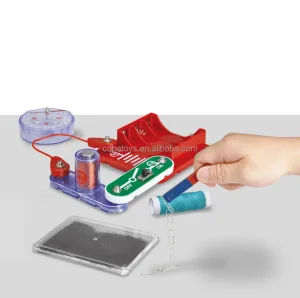
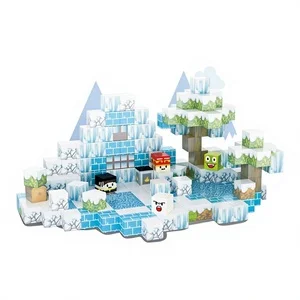
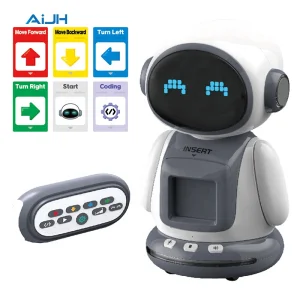
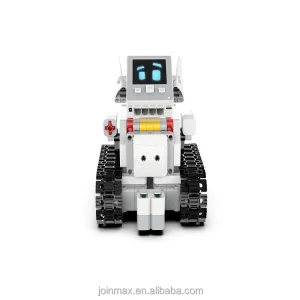
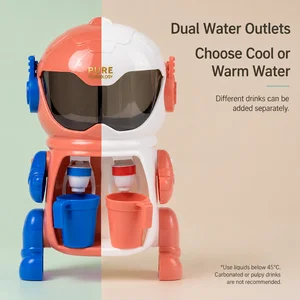
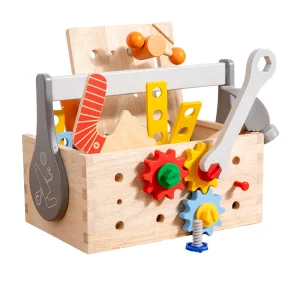
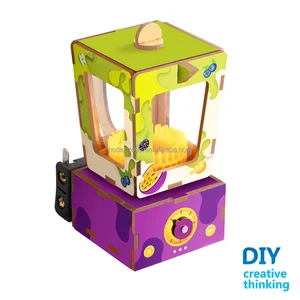
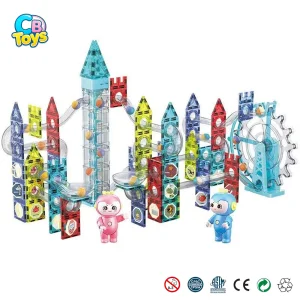
Shenzhen FourE Toy Co., Ltd. is a professional Electronic Learning Toy Manufacturer specializing in the research, development, and production of innovative educational products that combine technology with learning. As a trusted China supplier, we are dedicated to creating interactive educational toys that help children develop essential skills through engaging, technology-driven play experiences. Our extensive experience working with international regulations ensures our products are fully certified and ready for imports into Australia.
Our product portfolio includes interactive educational toys, STEM learning toys, coding and programming toys, educational robotics products, electronic language learning devices, mathematics learning toys, science exploration toys, smart educational toys, electronic puzzle games, AI-powered learning products, and early childhood educational solutions. Designed to support modern learning environments, our products encourage creativity, critical thinking, problem-solving, and independent learning.
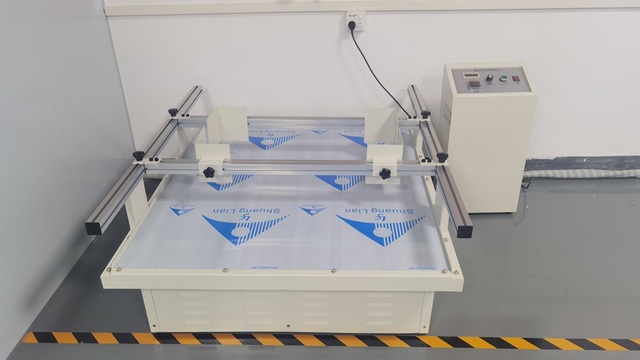
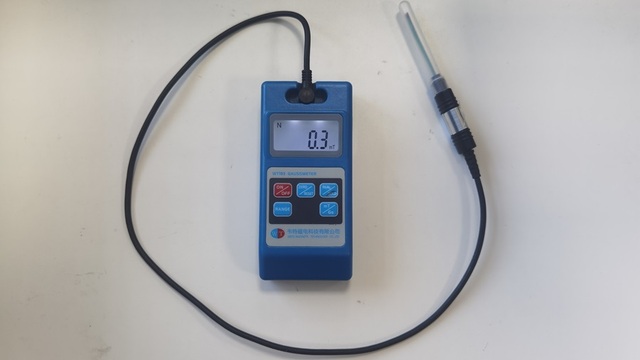
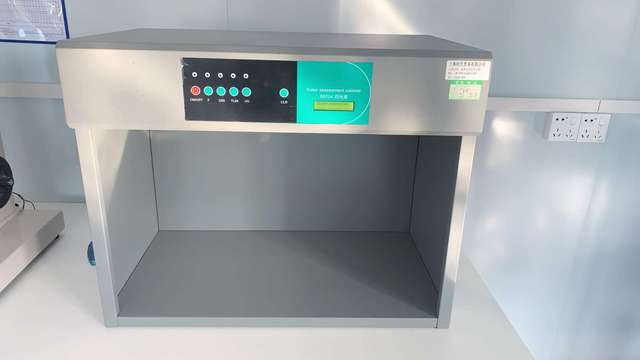
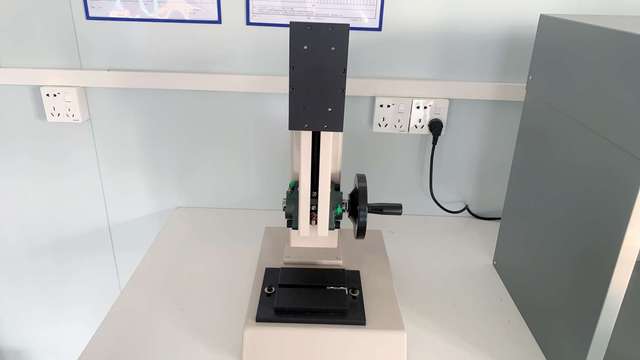
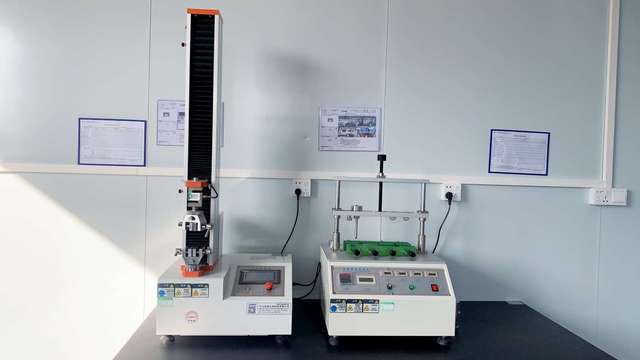
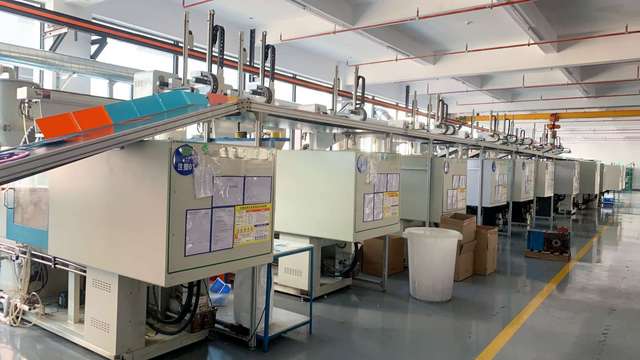
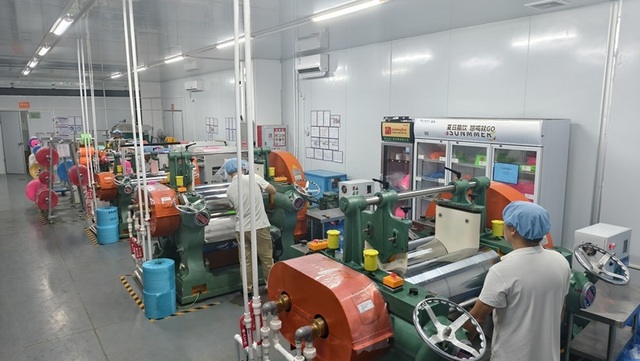
At FourE Toy, quality, safety, and innovation are at the core of our manufacturing operations. We utilize advanced production equipment, strict quality management systems, and carefully selected materials to ensure every product meets international safety standards and customer expectations. From concept development to final production, each product undergoes comprehensive testing to deliver reliable performance and educational value.
Our experienced R&D team continuously explores emerging technologies and educational trends to develop products that meet the evolving needs of families, schools, retailers, and educational institutions worldwide. We provide flexible OEM and ODM services, offering customized product development, software integration, branding, packaging, and manufacturing solutions tailored to diverse market requirements. Over the years, Shenzhen FourE Toy Co., Ltd. has established strong partnerships with customers across North America, Europe, Southeast Asia, the Middle East, South America, and other global markets. Our commitment to innovation, product quality, and customer satisfaction has enabled us to become a reliable partner for businesses seeking advanced electronic learning solutions.
With a vision to promote smarter learning through technology, Shenzhen FourE Toy Co., Ltd. continues to develop high-quality educational products that inspire curiosity, support skill development, and help children prepare for the challenges and opportunities of the digital age.
Tailored kits focusing on green energies, low-emission technologies, precise spatial representation, and flexible early construction systems.
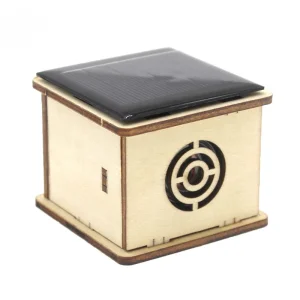
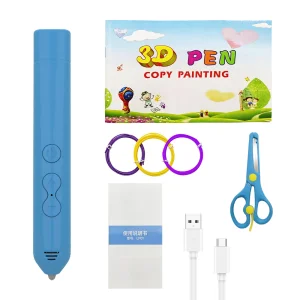

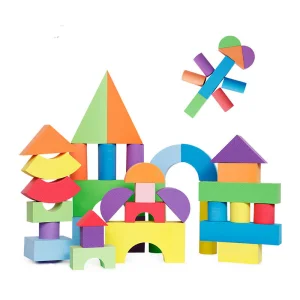
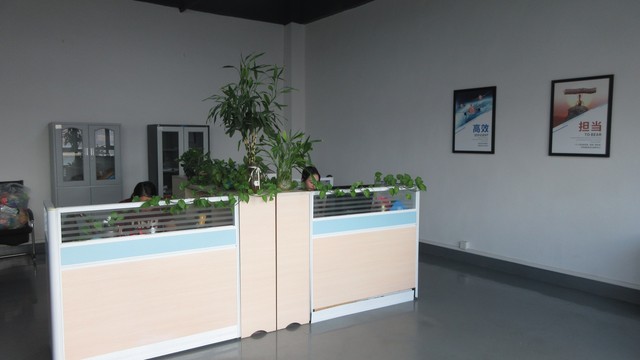
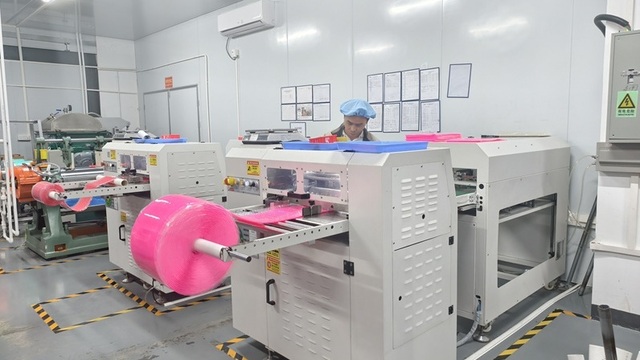
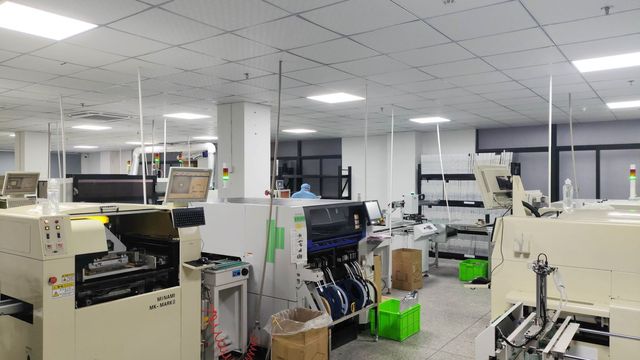
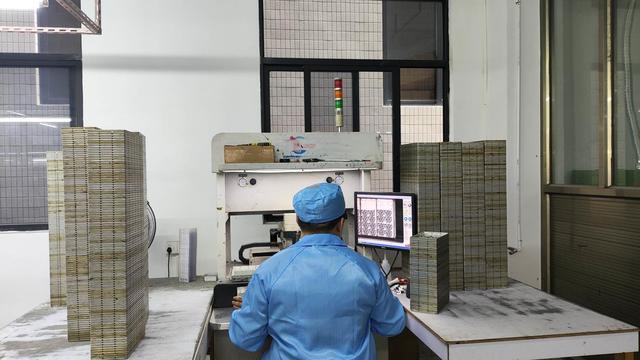
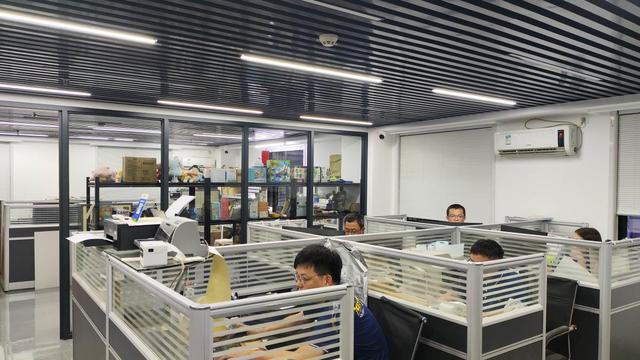
Our production floors feature advanced surface mount technology (SMT) lines, plastic injection tooling shops, dust-free assembly zones, and modern testing rooms. Explore our manufacturing environment below.
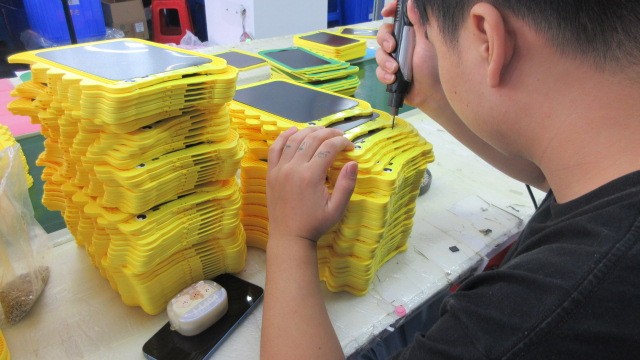
Navigating safety standards is the most critical hurdle for any business selling to public institutions and retail spaces in Australia. The Australian Competition and Consumer Commission (ACCC) strictly enforces the mandatory safety standards for toys containing button batteries, magnetic parts, and toxic substances.
| Standard Reference | Target Component / Hazard | Requirement & Compliance Actions |
|---|---|---|
| AS/NZS ISO 8124 Part 1 | Physical & Mechanical Properties | Guarantees no sharp edges, small choking hazards, or projectable dangers exist. Essential for pre-school/kindergarten groups. |
| AS/NZS ISO 8124 Part 2 | Flammability Hazards | Verifies resistance of casings, chassis, and fabric parts to direct ignition sources. |
| AS/NZS ISO 8124 Part 3 | Migration of Certain Elements | Ensures heavy-metal content limits in plastic pigments, wooden lacquer, and screen prints are below safety thresholds. |
| AS/NZS 62115 | Electric Toys Safety | Mandates insulation, temperature limitations, and over-current protection for rechargeable battery modules and circuit interfaces. |
| ACMA (RCM Mark) | Electromagnetic Compatibility | Required for wireless components (Wi-Fi, Bluetooth transmitters) to guarantee they do not disrupt radio bands. |
Shenzhen FourE Toy Co., Ltd. works closely with leading global testing agencies (SGS, Intertek, and TÜV Rheinland) to ensure our product runs destined for Canberra receive the appropriate test reports and carry the Regulatory Compliance Mark (RCM) on all retail packaging.
Gain insights into manufacturing capacities, shipment arrangements, customization thresholds, and school-board supply configurations.
 FourE Toy
