In recent years, the question of how can electronic learning toys improve language skills has gained significant attention. According to a report by the Entertainment Software Association, 70% of parents believe that educational toys help develop critical thinking and language abilities. This statistic highlights a growing trend among caregivers to integrate technology into learning.
Research shows that children who engage with interactive toys experience a 35% improvement in vocabulary acquisition. These toys often utilize auditory and visual stimuli, making the learning process engaging. However, it's essential to consider that not all electronic toys yield the same benefit. Some may simply entertain rather than educate, leading to confusion among parents seeking effective solutions.
Despite their potential, challenges exist in balancing screen time with traditional learning methods. Experts recommend using toys as supplementary tools rather than replacements for direct interaction with language. This approach fosters an environment where language acquisition thrives through varied experiences. As we explore the top electronic learning toys for 2026, these nuances remain crucial for maximizing their educational value.
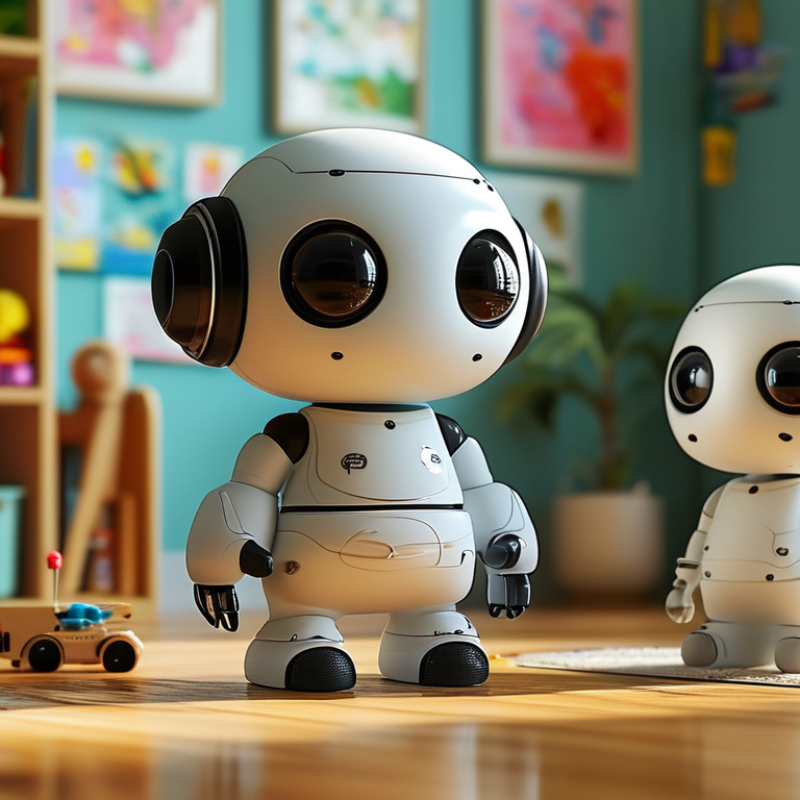
In recent years, electronic learning toys have gained significant attention for their potential in language development. According to a report from the Toy Association, the market for educational technology toys has grown by over 20% annually. These toys engage children in interactive gameplay, promoting vocabulary expansion and comprehension skills. Recent studies show that children who use these tools can learn new words up to 30% faster than those who do not.
Language development is critical in early childhood. Interactive toys, such as word-building apps or speech recognition gadgets, cultivate listening and articulation. A study by the National Early Literacy Panel highlighted that early exposure to language-rich environments significantly contributes to long-term literacy skills. Yet, not all electronic toys meet developmental standards. Some devices may focus on entertainment rather than meaningful learning. Parents must choose responsibly to ensure these tools offer real benefits.
Incorporating electronic learning toys into a child's routine can make language learning more engaging. They often include playful characters and games that motivate participation. However, reliance solely on technology without traditional reading methods might hinder a child's overall language skills. Thus, balancing screen time with interactive reading or storytelling remains essential. This thoughtful approach fosters a rich language environment conducive to growth.
| Toy Name | Age Range | Key Features | Language Skills Developed | Price Range |
|---|---|---|---|---|
| Interactive Storybook | 2-5 years | Touch-sensitive pages, audio narration | Vocabulary, Comprehension | $25 - $40 |
| Language Learning Robot | 3-7 years | Interactive games, quizzes | Speaking, Listening | $50 - $80 |
| Bilingual Tablet | 4-8 years | Educational apps, interactive learning | Writing, Reading | $100 - $150 |
| Phonics Learning Toy | 3-6 years | Lights, sounds, and phonics games | Phonics, Treasure Reading | $30 - $50 |
| Interactive Language Globe | 5-10 years | Geo-location games, audio pronunciation | Geography, Communication | $70 - $120 |
: Electronic learning toys are tools designed to enhance language development through interactive gameplay and engagement.
They promote vocabulary expansion and comprehension, making language learning more engaging for children.
Yes, studies indicate that children using electronic learning toys can learn new words up to 30% faster than others.
Not all toys meet developmental standards; some focus on entertainment rather than meaningful learning.
Parents should evaluate whether the toys offer real benefits and foster a language-rich environment.
No, relying only on technology can hinder overall language skills. Traditional reading methods are also important.
Look for diversity in activities and toys that adapt to a child's learning pace to keep them engaged.
Variety in toys, such as offering multiple languages, broadens linguistic exposure and enhances communication skills.
Parents should watch their child's reactions and learning progress to assess which toys are effective.
If a child quickly loses interest or finds the activities repetitive, the toy may not provide a challenging experience.
In the rapidly evolving realm of educational tools, electronic learning toys have emerged as powerful instruments for enhancing language skills among young learners. These toys are specifically designed to cater to the developmental needs of children, incorporating features such as interactive storytelling, phonetic emphasis, and engaging language games. By fostering an immersive learning environment, these toys stimulate vocabulary expansion and improve pronunciation, enabling children to grasp language concepts more effectively.
Additionally, the benefits of interactive learning through these toys are manifold. They not only make the learning process enjoyable but also promote retention and cognitive engagement. As such, understanding how can electronic learning toys improve language skills is crucial for parents and educators looking to support language development in early childhood. An analysis of the top options in 2026 reveals a diverse array of choices that prioritize these key educational outcomes, setting the stage for successful language acquisition.

 FourE Toy
