In today’s digital age, parents are exploring innovative ways to support their children's growth. One effective method is through electronic learning toys. These toys are designed not just for fun but as educational tools that aid child development. Many parents wonder, "how do electronic learning toys support child development?"
Research shows that these toys enhance cognitive skills while promoting engagement. They can improve problem-solving abilities and boost creativity. For example, interactive games often challenge children to think critically. These experiences can lead to longer attention spans. However, some toys may distract rather than educate. Balance is key in choosing the right tools.
Moreover, electronic learning toys can foster essential social skills. They encourage cooperation and teamwork when shared among peers. Some parents express concerns about screen time, but moderation is crucial. Finding a perfect balance can make a significant difference. In this exploration, we will outline the top ten ways these toys positively influence a child's developmental journey.
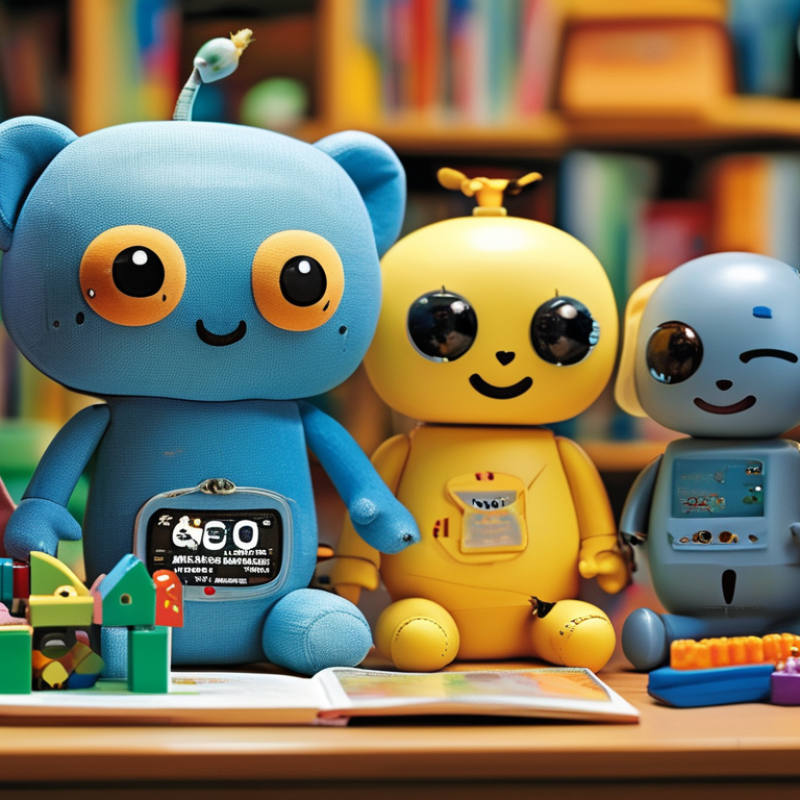
The Role of Electronic Learning Toys in Cognitive Development
Electronic learning toys play a significant role in cognitive development. These toys engage children’s brains in unique ways, promoting critical thinking and problem-solving skills. For example, interactive puzzles require kids to recognize patterns and make choices. This stimulates their reasoning abilities and enhances memory retention.
Moreover, exposure to electronic learning tools helps improve language skills. Many toys offer storytelling features, enabling children to listen and learn new words. As they interact with the toy, kids often mimic sounds and phrases. This repetition deepens their understanding of language and communication.
However, not all electronic learning toys are equally effective. Some may over-stimulate children, leading to distractions rather than learning. Selecting toys that balance engagement with educational content is essential. Parents should observe how children respond and adjust accordingly. Reflecting on these interactions can help enhance their learning experience.
Enhancing Motor Skills Through Interactive Play with Learning Toys
Interactive play with electronic learning toys significantly aids the development of children's motor skills. Studies suggest that engaging in hands-on activities enhances fine motor control and coordination. A report from the American Academy of Pediatrics highlights that children learn best through play. This hands-on interaction is crucial during critical developmental stages.
For instance, children using learning toys that require buttons to be pressed or objects to be manipulated tend to improve dexterity. A 2019 study found that children aged 3-5 demonstrated a 30% increase in fine motor skills after three months of interactive play. These toys encourage grasping, pushing, and pulling, which are all vital activities for muscle development.
Yet, not all electronic toys are created equal. Some may offer limited interaction, which can lead to frustration rather than skill enhancement. Parents should select toys that promote creativity and active engagement. Also, unrestricted screen time can hinder physical play. Balancing digital play with traditional activities remains essential. This reflection can help identify what works best for a child's unique development journey.
Promoting Language Skills with Audio-Visual Features of Learning Toys
Electronic learning toys are transforming how children develop essential skills. They offer interactive features that engage young minds. One significant aspect is the audio-visual components that promote language development. Sounds, music, and visuals create an immersive experience, sparking curiosity and encouraging speech.
Children respond positively to sounds. They mimic words and phrases they hear. This imitation is a crucial part of language learning. For example, when a toy speaks, children often repeat the words, expanding their vocabulary. The bright colors and animations visually stimulate them, drawing their attention and enhancing learning.
When using these toys, parents can improve the experience. Engaging with children during play helps reinforce new words. Ask questions and encourage responses. Sometimes children may struggle with pronunciation or comprehension. That's normal. Patience and repeated exposure are key. Finding the right balance in interaction will strengthen their language skills and build confidence.
Fostering Social Skills via Collaborative Learning Experiences
Collaborative learning experiences play a crucial role in developing social skills in children. Electronic learning toys facilitate shared activities, encouraging kids to work together. When children engage in group play, they learn to communicate and cooperate effectively. They share ideas and negotiate roles, which helps build essential teamwork skills.
During group activities, children might struggle with conflict resolution. They may disagree on how to play a game or complete a task. These moments, while challenging, offer valuable learning opportunities. They learn to express their feelings and listen to others. Such interactions lay the foundation for emotional intelligence, a key component of social development.
These toys provide a safe space for trial and error. Children can explore social dynamics without the pressure of the outside world. They find joy in collaboration, even if mistakes occur. Reflecting on these experiences helps them understand the importance of patience and empathy. This can lead to improved relationships, both in play and later in life.
Measuring the Impact of Electronic Learning Toys on Emotional Growth
Electronic learning toys show promising effects on emotional development in children. For instance, these toys encourage self-expression and creativity through interactive features. When a child engages with these toys, they often experience a range of emotions. Joy, frustration, and excitement become part of their learning journey. Each reaction provides a chance for growth.
As children navigate tasks and challenges posed by these toys, they learn to manage their feelings. Successful interactions boost their confidence. Meanwhile, struggles facilitate the development of resilience. This duality can shape how children respond to real-world challenges later on. It's crucial for parents to reflect on these emotional responses. Observing how kids react to failures can highlight their coping mechanisms.
However, not all experiences are positive. Some children may become overly dependent on electronic toys. This reliance can hinder their ability to interact with peers in traditional play. Observing how often a child turns to these toys for comfort can raise questions about emotional balance. Finding a healthy mix between electronic and hands-on play remains essential for holistic development.
Impact of Electronic Learning Toys on Emotional Growth
FAQS
: They promote critical thinking and problem-solving through engaging activities like interactive puzzles.
Yes, toys with storytelling features expose children to new words, enhancing their understanding of language.
Parents should look for toys that balance engagement with educational content, avoiding those that cause distractions.
Engaging with toys requiring manipulation improves fine motor control and coordination significantly.
Yes, some toys may over-stimulate children, leading to frustration instead of learning.
Children learn to manage emotions, build confidence, and develop resilience while interacting with these toys.
Yes, over-dependence may hinder children from engaging in traditional peer play and interactions.
Reflecting on emotional reactions and interactions with toys can provide insights into a child's growth.
Balancing electronic play with hands-on activities supports holistic development and emotional well-being.
Reflecting on a child's responses to toys can help parents identify what enhances their learning experience.
Conclusion
Electronic learning toys play a significant role in supporting child development across various domains. They contribute to cognitive development by engaging young minds in problem-solving and critical-thinking activities, which promote mental agility. Additionally, how do electronic learning toys support child development? They enhance motor skills through interactive play, allowing children to practice hand-eye coordination and fine motor tasks. The incorporation of audio-visual features in these toys effectively promotes language skills, as children learn new words and narratives through engaging auditory and visual stimuli.
Furthermore, electronic learning toys foster social skills by encouraging collaborative learning experiences, where children can share and cooperate with peers during play. This collaborative aspect not only enhances their ability to work in teams but also nurtures empathy and communication. Lastly, it is essential to measure the impact of these toys on emotional growth, as they often provide a safe space for children to explore their feelings and learn self-regulation. Overall, electronic learning toys serve as valuable tools in comprehensive child development, addressing cognitive, motor, linguistic, social, and emotional growth.

 FourE Toy
