Why Do Parents Prefer Electronic Educational Toys for Kids?

Time:2026-07-18 Author:Isabella
0%

In recent years, there has been a noticeable shift in parental preferences towards electronic educational toys for children. A report by the Consumer Electronics Association states that 78% of parents believe these toys enhance their children’s cognitive skills. This raises the question: why do parents choose electronic educational toys? Many parents view these tools as modern learning aids that promote engagement.

Moreover, research from the Toy Association shows that 65% of parents feel these toys foster creativity and problem-solving skills. Interactive features of electronic toys often attract children, making learning enjoyable. However, some parents express concerns about screen time and dependency on technology. Balancing educational value with potential drawbacks is challenging.

Parents generally seek toys that offer multi-faceted developmental benefits. Yet, not all electronic toys live up to their promises. The market is saturated, making it difficult for parents to discern quality options from gimmicks. Reflecting on these factors can help parents make informed choices while considering their child’s unique needs.
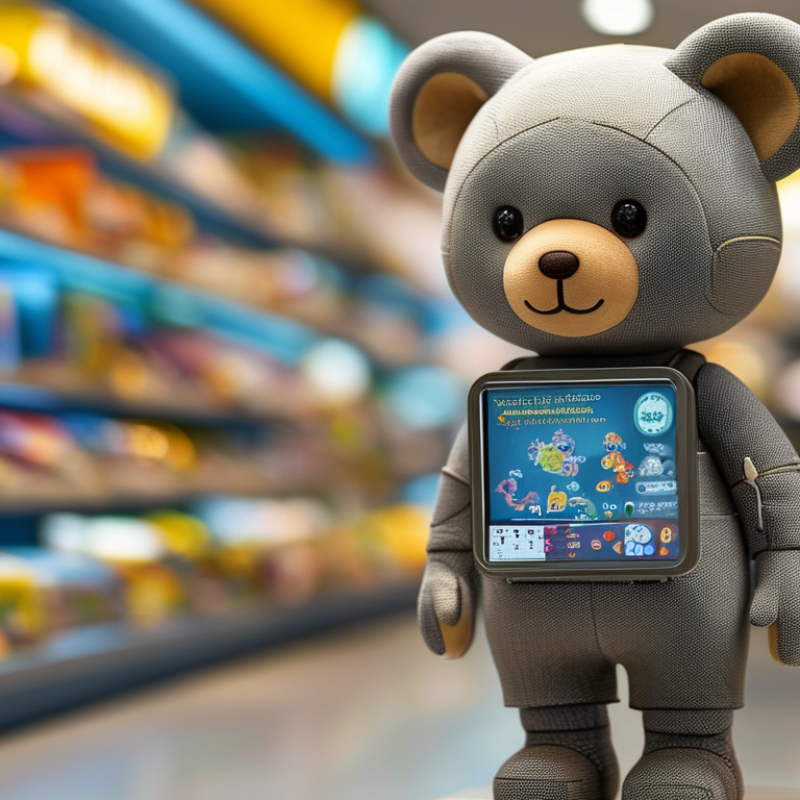
Why Do Parents Prefer Electronic Educational Toys for Kids?

The Evolution of Educational Toys: From Traditional to Electronic

The evolution of educational toys has dramatically shifted from traditional wooden blocks and dolls to innovative electronic devices. Parents now see these toys as more than mere entertainment. They recognize the potential for cognitive development and skill building. Electronic toys often incorporate engaging visuals and sounds, capturing the children's attention effectively.

However, this evolution raises concerns. Screen time is a hot topic among experts. Prolonged exposure to screens may hinder social skills and imaginative play. Some argue that electronic toys could lead to over-reliance on technology. Parents should encourage a balance between electronic and traditional toys. This mixed approach ensures children benefit from different types of play.

Moreover, educational technology must be age-appropriate. Not all electronic toys promote critical thinking. Some might offer repetitive tasks that don’t fully challenge a child’s cognitive abilities. Parents must research and choose wisely. They should prioritize interactive toys that foster creativity and problem-solving. Reflection on these considerations can guide informed choices in a child’s play and learning journey.

The Benefits of Electronic Educational Toys in Child Development

Electronic educational toys have gained popularity among parents for many reasons. These toys are designed to enhance learning through interactive play. They promote cognitive skills, language development, and problem-solving abilities. When children engage with these toys, they often learn concepts like numbers, letters, and shapes in a fun environment. A vibrant, colorful design can capture a child’s attention better than traditional toys.

Tips: Look for toys that adapt to your child’s learning pace. Some toys provide feedback, allowing kids to learn from their mistakes.

While these toys have benefits, they also warrant caution. Too much screen time can lead to dependency on devices for entertainment. Parents should balance electronic play with physical activities. Engaging in outdoor play is crucial for developing social skills.

Tips: Set limits on screen use. Encourage breaks and alternative activities like reading or art. Always check the educational value of the toy before purchasing.

Benefits of Electronic Educational Toys in Child Development

Parental Perspectives: Why Electronic Toys are Preferred Today

Parents today are increasingly leaning toward electronic educational toys for their children. This preference stems from various reasons that resonate with their desire for quality learning experiences. Many parents appreciate the interactive nature of these toys. They find that children are more engaged with devices that light up or make sounds. This engagement can stimulate creativity and cognitive skills effectively.

Moreover, electronic toys often incorporate educational content, offering parents a sense of assurance. They want tools that not only entertain but also educate. Various studies suggest that these toys can enhance problem-solving abilities and fine motor skills. Parents notice that their children show interest in subjects like mathematics and science through these devices. However, there are concerns about screen time and its implications. Balancing electronic play with physical activities remains a challenge. This dilemma is something many parents reflect upon as they navigate modern parenting.

The preference for electronic educational toys raises questions about traditional play methods. While some argue that classic toys foster imagination, others see the value in the tech-driven approach. Exploring these toys’ role in childhood development is essential. As families adapt, understanding these dynamics can lead to well-rounded educational experiences.

The Role of Technology in Enhancing Learning Experiences for Kids

Technology has transformed the way children learn. Electronic educational toys create a dynamic environment that can enhance a child’s learning experience. These toys offer interactive features that captivate young minds. Bright colors and sounds keep kids engaged. They can touch, swipe, and listen, which allows for hands-on exploration.

Parents appreciate how these toys can adapt to a child’s learning pace. Some toys adjust difficulty based on responses. This personalized approach fosters a deeper understanding of concepts. Children often find educational toys more enjoyable than traditional methods. They can stimulate curiosity while teaching important skills. However, there are downsides to consider. Excessive screen time is a concern. Balancing tech use with other activities is essential.

Moreover, not all electronic toys are created equal. Some may lack educational value despite being labeled as “learning toys.” Parents should research and choose quality options carefully. It’s important to combine technology with other learning methods. Crafting a well-rounded educational experience can provide lasting benefits. By thoughtfully selecting tools, parents can foster an enriching learning journey for their kids.

Market Trends: The Rise of Electronic Educational Toys in Parenting Choices

The market for electronic educational toys has seen remarkable growth. Parents increasingly prefer these toys for their children due to their blend of fun and learning. According to the Toy Association, the electronic toy market is expected to grow by 15% annually. This trend reflects a shift towards technology-driven education in early childhood development.

Electronic educational toys offer interactive experiences that traditional toys cannot. They often incorporate sound, light, and movement, engaging children more effectively. A report from MarketsandMarkets indicates that over 70% of parents believe these toys enhance their child's learning abilities. However, reliance on electronic toys may raise concerns about overexposure to screens. Balance is crucial.

Tips for parents: Introduce a mix of both electronic and traditional toys. Set time limits on electronic play to encourage outdoor activities. Regularly engage with your child during playtime to enhance the learning experience. This approach allows children to benefit from the advantages of electronic toys without losing the value of imaginative play.

FAQS

: What has changed in educational toys over time?

: Educational toys have evolved from traditional items to electronic devices focused on cognitive development.

Why do parents prefer electronic educational toys?

Parents appreciate the interactive nature and educational content of electronic toys, enhancing their children's learning experiences.

What are the concerns regarding screen time?

Prolonged screen exposure may hinder social skills and imaginative play, leading to dependency on technology.

How can parents encourage a balanced play approach?

Parents should mix electronic and traditional toys to provide diverse play experiences for their children.

What should parents consider when choosing electronic toys?

Parents need to prioritize age-appropriate toys that promote creativity and problem-solving over repetitive tasks.

What is a potential downside of interactive toys?

Excessive screen time can distract from physical activities and real-world interactions, which some parents struggle with.

How do electronic toys cater to children's learning?

Many electronic toys adjust difficulty based on interactions, allowing children to learn at their own pace.

Are all electronic toys beneficial for learning?

Not every toy labeled as educational offers value; quality research is essential for informed choices.

How can technology and traditional methods work together?

Combining electronic toys with other learning methods can create a well-rounded educational experience for children.

What is a reflection point for parents?

Parents must consider the balance between tech use and physical play to support their children's overall development.

Conclusion

In today's parenting landscape, many are curious about "why do parents choose electronic educational toys" for their children. The evolution of these toys from traditional options to advanced electronic models highlights a shift in educational methods. Electronic educational toys leverage technology to create engaging learning experiences, promoting cognitive development and critical thinking skills in young children.

Parents appreciate the interactive nature of electronic toys, which often incorporate sound, light, and movement, capturing children's attention and enhancing their learning processes. Additionally, these toys provide tailored educational content that can adapt to a child's learning pace, making them a favored choice among modern families. Market trends indicate a significant rise in the popularity of electronic educational toys, reflecting a growing recognition of their benefits in child development and learning enhancement.

Isabella

Isabella

Isabella is a dedicated marketing professional with a sharp focus on driving brand growth and engagement through strategic content creation. With an extensive background in digital marketing, she combines her passion for storytelling with her keen understanding of industry trends to deliver......