A child presses a bright button, hears a word, and tries it again. A small screen may show a shape fitting into the right place. These moments turn practice into an action, not just an instruction. They also give children quick feedback, which can make a tricky letter or number easier to revisit.
One question persists: why are electronic learning toys becoming popular? Part of the answer is convenience. Many combine sounds, lights, simple games, and adjustable activities in one compact toy. A parent can use one at the kitchen table, in the car, or during a quiet afternoon. Some toys also let children explore at their own pace, while adults see which activities hold their attention. The details matter: a clear prompt and a patient response can be more useful than a dazzling display.
This article looks at the main reasons families choose these toys, including interactive learning, portability, and opportunities for independent play. It also considers how features vary by age and learning goal. Popular does not automatically mean effective. A toy can distract as easily as it can teach, and not every child enjoys electronic feedback. That is worth remembering. Choosing well means checking the activity, instructions, and fit for the child—not relying on a screen or a marketing promise alone.
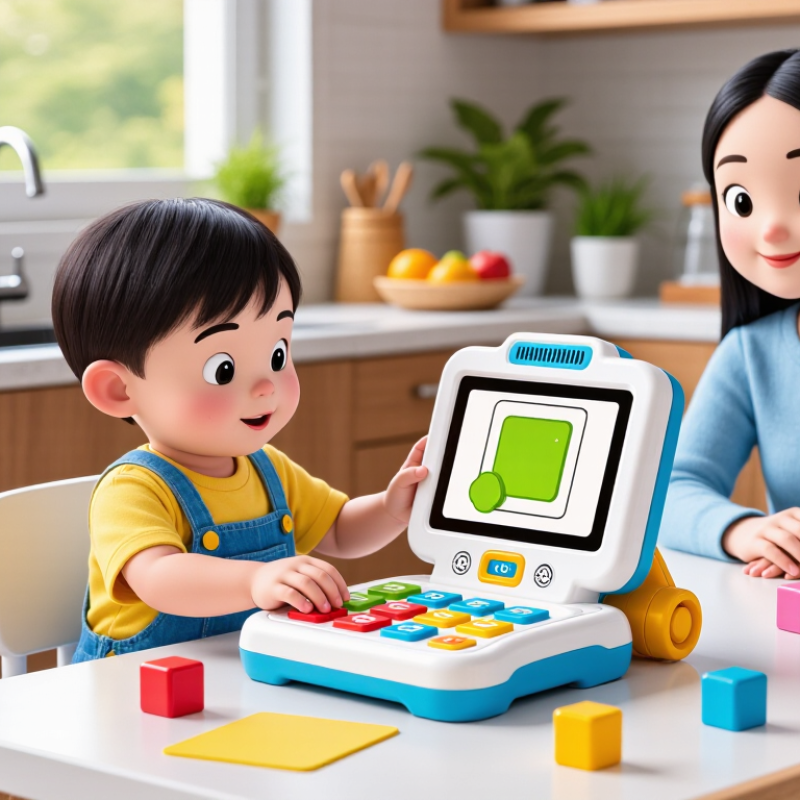
An electronic learning toy combines a play object with an electronic feature designed to support a clear learning activity. That activity might involve matching sounds to letters, sorting shapes, or testing cause and effect. A light, speaker, screen, sensor, or simple coding control can provide prompts or feedback. The electronics alone do not make a toy educational.
Circana reported that U.S. toy sales totaled $28.3 billion in 2023. This figure covers the wider toy market, not electronic learning toys alone, so it should not be read as proof of demand for this specific category. A talking alphabet board, for example, fits the definition when children choose letters and receive useful feedback. A toy that merely flashes lights may not. The boundary is not always neat.
Common Sense Media’s 2021 Census found that children ages 0–8 averaged 2 hours and 24 minutes of screen media use per day in 2020. That is broader than toy use. Still, it highlights why the format matters: a learning toy can use a screen, but it need not. Look for a clear child action, a meaningful response, and room to explore without constant adult direction. Some toys promise more than they deliver. A little skepticism helps.
| Dimension | What It Means | Typical Examples | Why It Matters |
|---|---|---|---|
| Definition | A toy that uses electronic components and is designed to support learning through play. | An alphabet toy that responds to a child’s button selection with a letter name or sound. | Both an electronic element and a meaningful learning purpose are central to the category. |
| Electronic component | The toy includes technology such as sensors, buttons, speakers, lights, or a display that contributes to play or instruction. | A shape sorter that gives a sound or light response when a piece is placed correctly. | Electronics alone do not make a toy educational; their role in the activity is important. |
| Learning purpose | The toy encourages a skill or area of knowledge, such as language, numeracy, music, problem-solving, or early science concepts. | Counting activities, sound matching, letter recognition, or simple cause-and-effect play. | A clear learning purpose distinguishes learning toys from products that are electronic but mainly provide entertainment. |
| Child interaction | The child can make choices or take actions that affect what happens during play. | Pressing a key, turning a dial, arranging pieces, or answering a spoken prompt. | Active participation gives children opportunities to explore, practise, and repeat skills. |
| Feedback and guidance | The toy may respond with audio, visual, or tactile cues that acknowledge an action or guide the next step. | A sound after a selection, a light indicating a match, or a prompt to try another answer. | Feedback can help make the play sequence understandable, though its educational value depends on the design. |
| Common formats | Electronic learning toys can be standalone physical toys or toys that connect to digital content or a device. | Interactive books, electronic puzzles, talking toys, programmable construction sets, and app-connected play kits. | The category covers different formats; a screen is not required for a toy to be electronic or educational. |
| Age and developmental fit | Activities and controls should suit the intended age range and the child’s developing abilities. | Simple, large controls for early learners; more open-ended sequencing or coding tasks for older children. | Age guidance, supervision needs, and safety instructions should be checked for each product. |
| Reasons for popularity | Interactive responses, varied activities, and opportunities to practise skills can make these toys appealing to children and caregivers. | A toy may combine play, repetition, audio cues, and adjustable challenges in one activity. | Popularity does not by itself demonstrate learning effectiveness; design quality and adult involvement also matter. |
| Scope boundary | A toy with lights or sounds but no purposeful learning activity is not necessarily an electronic learning toy. | A sound-producing toy used only for effects may be electronic without having an educational focus. | Assess the intended skill, the child’s role, and how the electronic features support the play. |
It combines play with an electronic feature that supports a clear learning activity. A child might match a spoken letter sound to a letter on a board.
Not by themselves. Look for a child’s action, a meaningful response, and room to explore.
Screens are optional. Lights, speakers, sensors, or simple controls can also provide prompts and feedback.
A toy might repeat a letter sound for a preschooler, then offer simple spelling practice to an older child. Personalization helps, but it is not magic.
Ask the child to explain an answer or use the skill away from the toy. That check is easy to forget.
Match the toy to the child’s abilities and age guidance. Bright prompts may encourage one child and overwhelm another.
Check safety labels, sturdy parts, and the battery compartment before use. Keep charging cables and loose pieces out of young children’s reach.
No toy is perfect. A screen can hold attention without showing what a child has learned, so supervise play and check toys regularly for damage.
Electronic learning toys combine traditional play with technology such as sensors, audio, and responsive feedback. These features can invite children to explore, solve problems, and practice early skills through hands-on activities. Their appeal reflects a wider interest in educational play: the educational toy market was valued at $57.9 billion in 2023, according to the outline’s cited market context.
So, why are electronic learning toys becoming popular? They can make guided play engaging while offering activities that adapt to a child’s pace and interests. Families may also value the convenience of interactive features that support learning at home. When thoughtfully designed, these toys can encourage language, reasoning, and coordination without replacing adult interaction. Clear age guidance, durable construction, and attention to recognized toy-safety standards also help caregivers choose products with confidence. Together, interactivity, potential learning benefits, personalization, convenience, and safety considerations explain their growing place in children’s play.

 FourE Toy