Why Do Electronic Learning Toys Effectively Reduce Learning Barriers?

Time:2026-09-01 Author:Oliver
0%

Electronic learning toys have captured the attention of educators and parents alike. They promise to bridge learning gaps and make education engaging. An industry expert, Dr. Emily Carter, emphasizes their impact, stating, "These toys transform playtime into powerful learning experiences." This highlights a significant shift in how children interact with educational content.

So, how do electronic learning toys reduce learning barriers? They provide interactive and immersive experiences. Children can explore concepts at their own pace. Adaptive technology allows for personalized feedback, catering to individual learning styles. For instance, a child struggling with math can play a game that adjusts its difficulty based on their responses. This tailored approach keeps frustration at bay while nurturing a love for learning.

Moreover, electronic learning toys often integrate elements like music and storytelling. These features capture children's attention and make abstract concepts tangible. However, some argue that over-reliance on technology could stifle creative thinking. It raises important questions about balance. While these toys offer amazing opportunities, they also require careful integration into traditional learning environments to be truly effective.
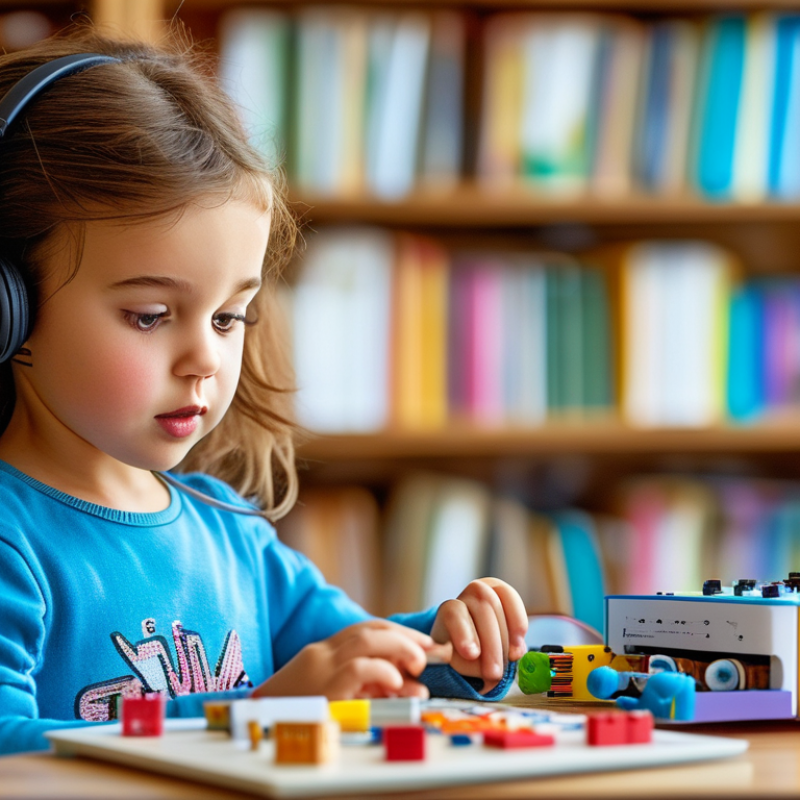
Why Do Electronic Learning Toys Effectively Reduce Learning Barriers?

Understanding Learning Barriers in Traditional Education Methods

Traditional education methods often present significant learning barriers. A study by the National Center for Education Statistics revealed that about 20% of students struggle to meet proficiency standards in reading and math. Factors like diverse learning styles and varying pace of instruction contribute to these challenges. In classrooms, one-size-fits-all approaches often overlook individual needs. This gap can lead to disengagement and frustration among learners.

In contrast, electronic learning toys provide interactive and personalized experiences. They engage children through play and adapt to their unique learning styles. Research from the Joan Ganz Cooney Center indicates that children using such tools show a marked improvement in essential skills. Specifically, children aged 3 to 5 who engaged with electronic learning toys improved their problem-solving abilities by 20%. However, not every child responds similarly. It's crucial to recognize that while these toys can support learning, reliance solely on technology may hinder foundational skills like critical thinking. Educators must strive for balance in integrating these tools within traditional methods.

Why Do Electronic Learning Toys Effectively Reduce Learning Barriers? - Understanding Learning Barriers in Traditional Education Methods

Learning Barrier Traditional Education Methods Impact of Electronic Learning Toys
Language Proficiency Limited vocabulary and comprehension Interactive features enhance language skills through play
Attention Span Limited engagement with static materials Engaging content captures children's attention effectively
Learning Pace Fixed curriculum and one-size-fits-all pace Adaptable learning paths cater to individual progress
Motivation Lack of engagement leads to disinterest Gamified learning fosters intrinsic motivation and excitement
Learning Styles Uniform approach fails to address diverse needs Variety of activities accommodates different learning styles

The Role of Engagement in Learning Process for Children

Engagement is a key factor in children's learning. Electronic learning toys capture children's attention effectively. When a child is engaged, they are more likely to explore and interact with educational content. This type of active participation leads to deeper understanding. Engaged learners find joy in discovery, encouraging a positive attitude toward learning.

Consider starting with simple learning toys that spark curiosity. Avoid overwhelming children with complex features. Focus on toys that allow for hands-on interaction and exploration. This approach can help maintain their interest over time. Regularly assess which toys keep your child's attention the longest. It might be surprising which ones truly engage them.

Children thrive on feedback. Learning toys that offer instant responses can boost confidence. This instant gratification can motivate them to tackle more challenging concepts. Observe your child's responses and adjust accordingly. If a toy doesn't seem to resonate, it might be time to try something new. Sometimes, the best approach is trial and error.

Features of Electronic Learning Toys that Enhance Learning

Electronic learning toys have gained popularity for their ability to engage children and enhance their learning experiences. One key feature is their interactive design. Children can touch, press, or swipe on screens. This hands-on approach helps reinforce concepts, making learning more tangible. It bridges gaps that traditional methods might not address.

Another significant aspect is the variety of sensory inputs. Many toys combine visuals, sounds, and tactile feedback. For example, a toy may light up and play music when a child correctly answers a question. This multi-sensory engagement can foster deeper understanding. However, over-reliance on electronic stimuli could limit creativity. Balance is important.

Moreover, personalization plays a crucial role. Many electronic learning toys adapt to a child's skill level. They can present challenges that are neither too easy nor too hard. This adaptability keeps children motivated and reduces frustration. Yet, some may find that a mechanical approach could overlook emotional aspects of learning. Reflection on how these toys fit into a child’s overall development is essential.

Evidence Supporting the Effectiveness of Electronic Learning Toys

Electronic learning toys have become popular tools in modern education. They bridge the gap between traditional learning and interactive engagement. Studies show they cater to various learning styles, making education more inclusive. Children who struggle in conventional settings often find these toys easier to connect with.

Research highlights their ability to stimulate cognitive development. For instance, interactive features can encourage problem-solving skills. They promote active participation, allowing kids to learn through play. This hands-on approach can lead to deeper understanding and retention of knowledge. However, not all toys achieve the same level of effectiveness. Some may oversimplify concepts, leading to limited learning outcomes.

Observations in diverse classrooms reveal that not every child responds positively to electronic learning tools. Individual preferences and interests play a significant role. While many enjoy the digital aspect, others may prefer traditional methods. It's crucial to balance different types of learning resources. This way, educators can better cater to the unique needs of each child, ensuring a more comprehensive educational experience.

Comparative Analysis: Electronic Learning Toys vs. Non-Digital Tools

Electronic learning toys have gained popularity due to their engaging designs and interactive features. These toys often incorporate colorful screens, sounds, and movement, drawing children in. In contrast, non-digital tools like books and puzzles rely on traditional methods. They may lack the instant feedback and stimulation digital toys provide. This difference can create a significant gap in engagement levels.

Moreover, electronic toys often adapt to children's skill levels. They adjust the difficulty of tasks based on responses, encouraging progression. Non-digital tools lack this dynamic adaptability. Children may quickly lose interest in traditional resources, especially if they struggle to comprehend the material. Parents can find themselves frustrated when their child resists learning from non-digital resources.

Despite their advantages, a reliance on electronic toys may lead to concerns about overexposure to screens. Parents must find a balance between digital and non-digital tools. A mixture can enhance learning experiences without overwhelming children. Encouraging hands-on activities alongside digital play is essential. Evaluating each child's unique response to these resources can help guide these choices effectively.

FAQS

: What are the main features of electronic learning toys?

: They have interactive designs. Children can touch, swipe, or press screens to learn.

How do sensory inputs enhance learning?

Toys combine visuals, sounds, and tactile feedback. They may light up and play music for correct answers.

Can electronic learning toys adapt to a child's skill level?

Yes, they adjust challenges based on responses. This keeps children engaged and motivated.

Do electronic learning toys support cognitive development?

They promote problem-solving skills through active participation. Learning through play can deepen understanding.

Are electronic learning toys effective for all children?

Not every child responds positively. Preferences vary, with some favoring traditional methods.

What should parents consider when choosing learning resources?

A balance between digital and non-digital tools is vital. Each child’s unique needs must be evaluated carefully.

Can reliance on electronic toys limit creativity?

Yes, over-exposure to screen stimuli might stifle creative thinking and exploration. Reflection is needed.

What are potential drawbacks of electronic learning toys?

Some may oversimplify concepts, leading to limited understanding. Not all toys provide the same level of engagement.

How can a mixture of learning tools benefit children?

Combining digital and traditional resources can enhance learning experiences without overwhelming kids.

Why is personalization important in learning toys?

It helps cater to individual skill levels, but a mechanical approach may miss important emotional aspects of learning.

Conclusion

Electronic learning toys play a crucial role in reducing learning barriers faced by children in traditional education methods. These toys are designed to engage children through interactive features, making the learning process more enjoyable and effective. By capturing children's interest and maintaining their attention, these tools help bridge gaps in understanding and retention, allowing children to absorb information in a more natural and fun way.

Evidence supporting the effectiveness of electronic learning toys highlights their potential benefits compared to non-digital tools. The integration of technology in learning encourages active participation, fostering a deeper connection to the material. Overall, the question of how do electronic learning toys reduce learning barriers can be attributed to their ability to combine play and education, thus enhancing engagement and facilitating a more personalized learning experience.

Oliver

Oliver

Oliver is a seasoned marketing professional with a wealth of expertise in driving brand awareness and engagement. With a deep understanding of our company's product offerings, he consistently delivers high-quality content that enriches our professional blog. His insights not only shed light on......