In recent years, electronic learning toys have gained significant attention for their potential to promote independent learning among children. As Dr. Sarah Thompson, an educational psychologist and expert in child development, states, "Electronic learning toys empower children to explore and learn at their own pace." This capability is crucial in fostering skills like problem-solving and critical thinking.
These toys engage children through interactive experiences, allowing them to make choices and learn from their mistakes. For instance, a child struggling with a math problem can experiment with a learning app until they find the right solution. The autonomy granted by these electronic tools encourages kids to take charge of their learning journey.
Yet, some concerns arise regarding over-reliance on technology. Parents must ensure that electronic toys complement, rather than replace, traditional methods. Balancing screen time with physical interaction is essential. Thus, understanding how do electronic learning toys encourage independent learning is not just about the toys themselves, but also about parental involvement and guidance.
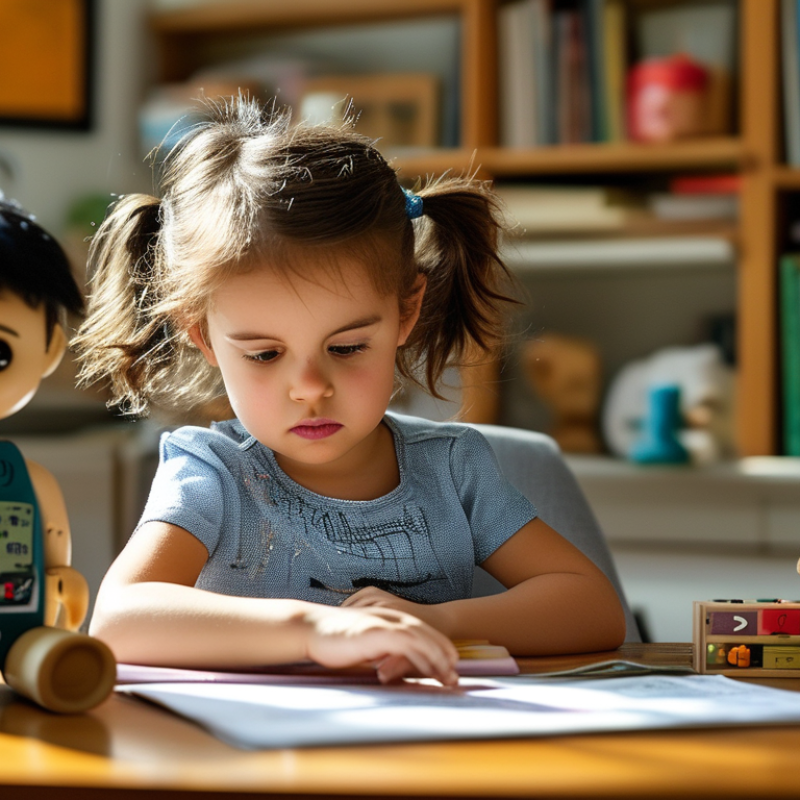
Electronic learning toys are designed to engage children in self-directed exploration. They offer interactive experiences that encourage curiosity. When children manipulate these toys, they make choices and learn cause-and-effect relationships. This autonomy fosters independence in their learning journey.
One effective way to promote autonomy is to allow children to explore at their own pace. Let them choose what they want to learn, whether it’s numbers, colors, or shapes. This choice empowers them. Encourage open-ended play, where there’s no right or wrong answer. Such experiences can boost creativity and critical thinking skills.
Tips: Provide a less structured environment. Reduce adult intervention during playtime. Also, celebrate mistakes as part of learning. This can turn setbacks into valuable lessons. It's essential to allow reflection on these moments, teaching resilience in the face of challenges.
Interactive features in electronic learning toys play a crucial role in fostering independent skill development in children. These toys often include touchscreens, sound effects, and engaging visuals. Children naturally gravitate towards these elements, which sparks their curiosity. For example, a puzzle game may have a sound that celebrates a correct answer. This positive reinforcement encourages children to attempt challenges on their own.
When children interact with these toys, they learn to make choices without adult assistance. They might explore different ways to solve a problem, which supports trial-and-error learning. However, this independence can sometimes lead to frustration, especially if a child struggles to complete a task. It’s vital for parents to recognize these moments. Offering guidance while allowing space for problem-solving nurtures resilience and confidence.
Moreover, while electronic learning toys provide enriching experiences, dependence on technology can be a concern. Children may lean more on screens than traditional play. Balance is essential. Parents need to ensure that screen time is complemented by other forms of learning. Engaging in real-world activities also cultivates essential life skills. Thus, toys should serve as supplements to a broader educational experience, fostering independence while promoting holistic development.
| Feature | Description | Impact on Independent Learning | Skills Developed |
|---|---|---|---|
| Interactive Touch Screen | Allows children to interact and explore learning materials effectively. | Encourages exploration and curiosity. | Critical Thinking, Problem Solving |
| Voice Feedback | Provides verbal responses to children’s actions, guiding them towards correct answers. | Promotes self-correction and confidence. | Language Development, Listening Skills |
| Customizable Learning Paths | Allows children to select topics according to their interests. | Fosters personalized learning experiences. | Self-Motivation, Independence |
| Progress Tracking | Monitors child’s learning accomplishments over time. | Encourages self-assessment and goal setting. | Goal-Setting, Self-Assessment |
| Social Interaction Features | Enables cooperative play with peers through shared activities. | Enhances communication and teamwork skills. | Teamwork, Communication |
Recent studies highlight how electronic learning toys improve engagement more than traditional methods. Children interacting with these toys exhibit a 30% higher engagement rate. This statistic emphasizes the toys’ ability to capture attention and stimulate curiosity. Compared to passive learning methods, such as reading or rote memorization, hands-on activities create a more engaging experience.
Additionally, children using electronic toys demonstrate better retention of information. For instance, a study revealed that 75% of children remembered concepts learned through interactive play. Traditional methods often lack the excitement that comes with electronic engagement. Many feel that conventional methods are less effective at maintaining a child’s interest.
It is important to note that not all toys are equally effective. Some may overwhelm children with too many features. Evaluating what works best for each child can be challenging. Nonetheless, the trend shows that integrating technology with learning nurtures independence. Children learn to explore and problem-solve on their own, which may lead to a lifelong love for learning.
In early education, electronic learning toys have shown promising results. A study by the Joan Ganz Cooney Center found that children using these toys often demonstrate improved problem-solving skills. Their interactions with technology encourage exploration and curiosity. For instance, one case highlighted how a class of preschoolers using interactive storybooks engaged more deeply with narratives. This engagement led to over 30% higher comprehension scores compared to their peers using traditional methods.
Another interesting case involved a kindergarten classroom where coding toys were integrated into daily lessons. Teachers reported that 40% of children began to take initiative in their learning. Children programmed sequences and collaborated with peers. However, some did struggle with frustration during complex tasks. This highlights the need for guided support in using these tools.
Expert recommendations suggest balancing screen time with tactile experiences. While smartphones and tablets can offer personalized learning, they should complement physical activities. Interestingly, research shows that children benefit most when electronic toys are used alongside adult interaction. This creates a supportive environment for growth. Electronic toys are tools, but their effectiveness depends on how they are integrated into the classroom.
The future of independent learning in children is heavily influenced by advancements in technology. Electronic learning toys are transforming how kids engage with educational material. They provide interactive experiences that foster curiosity and self-directed exploration. Children can learn at their own pace, which enhances their understanding and retention of information. This autonomy in learning helps build confidence.
Emerging technologies, like augmented reality and artificial intelligence, are key. These tools create immersive learning environments. Kids can manipulate digital objects and receive immediate feedback. This instant response encourages them to rethink their strategies and try again. However, it's not without challenges. Screen time must be monitored to ensure a healthy balance. Over-reliance on technology can detract from essential social skills.
Education professionals stress the importance of guidance. Parents and teachers play an essential role. They can help children navigate these modern tools. While technology offers new opportunities, its impact needs careful reflection. Striking a balance between digital learning and traditional methods is crucial. The future promises exciting advancements, but a thoughtful approach is necessary.
: They engage children and encourage curiosity through interactive experiences. Children make choices that foster independence.
Children should explore at their own pace. They can choose topics like numbers, colors, or shapes.
It boosts creativity and critical thinking. There are no right or wrong answers, promoting deeper exploration.
Celebrate mistakes as learning opportunities. This helps children turn setbacks into valuable lessons.
Features like sound effects and visuals spark curiosity, supporting independent problem-solving and trial-and-error learning.
Offer guidance while allowing them space for problem-solving. This nurtures resilience and builds confidence.
Balance screen time with traditional play. Encouraging real-world activities helps develop essential life skills.
Children demonstrated improved problem-solving skills and engagement, leading to higher comprehension scores compared to peers.
They should provide guided support for complex tasks, promoting initiative while reducing frustration.
It enhances learning and creates a supportive environment when integrated alongside screen activities.
Electronic learning toys play a significant role in fostering independence in children's learning by providing interactive and engaging experiences that promote autonomy. These toys often incorporate features that enable kids to explore concepts at their own pace, which is crucial for independent skill development. Research shows that children engaged with electronic learning toys display higher levels of motivation and engagement compared to traditional learning methods, leading to more effective learning outcomes.
Case studies highlight successful integrations of these toys in early education settings, showcasing how they facilitate self-directed learning while enhancing critical thinking and problem-solving skills. As technology continues to advance, the future of electronic learning toys looks promising, with innovations aimed at further supporting independent learning. Thus, understanding how do electronic learning toys encourage independent learning becomes essential for educators and parents alike in nurturing the next generation of learners.

FourE Toy