In today's rapidly evolving technological landscape, the question arises: how do electronic learning toys support STEM education? Dr. Emily Johnson, a leading expert in educational technology, emphasizes the importance of engagement in learning. She states, "Interactive tools spark curiosity and deepen understanding in young learners."
Electronic learning toys are designed to capture children's attention. They blend fun with education, facilitating hands-on experiences in science, technology, engineering, and mathematics. For instance, robotics kits allow children to build and program their own creations. This process nurtures critical thinking and problem-solving skills. Children are not just passive consumers; they become active participants in their learning journey.
However, some educators question the effectiveness of these toys. They worry that technology might overshadow traditional learning methods. Balancing screen time with tactile experiences is crucial. As we explore this topic further, we must consider not only the benefits but also the challenges in integrating electronic learning toys into STEM education.
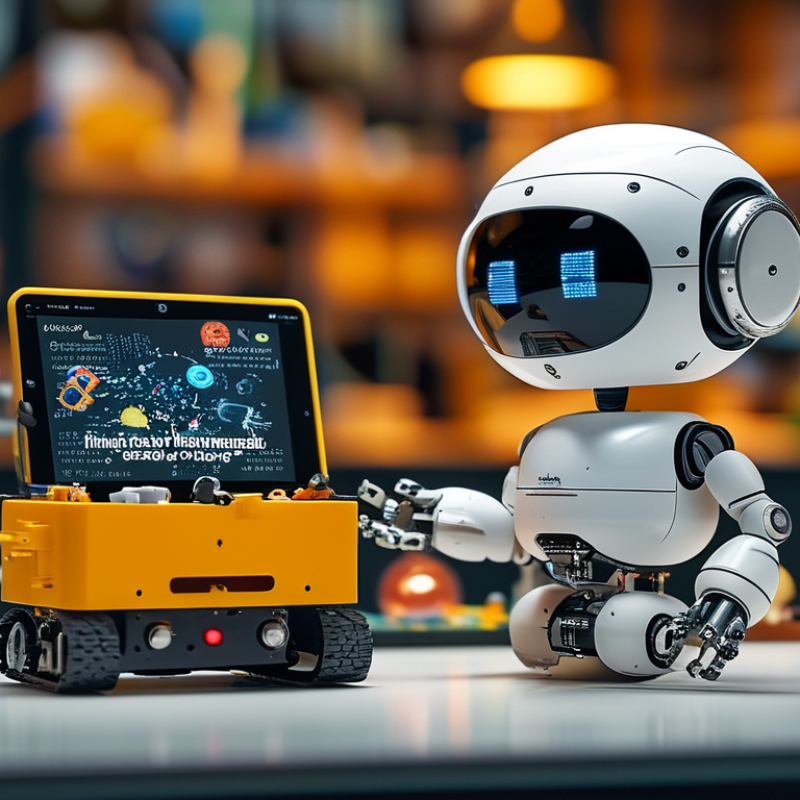
Electronic learning toys play a significant role in modern STEM education. These tools spark curiosity and foster engagement among young learners. Children are naturally inquisitive, and these toys leverage that curiosity to teach complex concepts. For instance, coding toys can make learning programming fun. Children learn to think critically and solve problems while playing.
While many electronic toys provide educational benefits, not all are effective. Some may focus too much on entertainment. It’s crucial to select toys that balance fun with learning. Educators should guide children in using these tools effectively. They enhance hands-on experiences and encourage experimentation. Yet, reliance solely on electronic toys may limit traditional learning methods.
Incorporating electronic toys into STEM education is not without challenges. Overstimulation can lead to distractions. Parents and educators must ensure that these toys are used alongside other teaching methods. Finding the right blend can create a dynamic learning environment. Each child’s experience may vary, emphasizing the need for personalized approaches in education.
Interactive features in electronic learning toys play a vital role in enhancing STEM education. These features, including touch screens, responsive sound, and customizable challenges, significantly boost student engagement. According to a recent study from the Educational Research Journal, students using interactive toys showed a 25% increase in participation during lessons compared to traditional methods. Engagement is crucial; it fosters curiosity and a deeper understanding of complex concepts.
Additionally, learning outcomes improve with these interactive elements. The National Science Foundation reports that interactive STEM learning tools can lead to higher retention rates—up to 40% more compared to static learning resources. These toys allow students to experiment and learn through trial and error, boosting critical thinking skills. However, not all students may feel equally confident using these tools. Some may experience frustration, leading to disengagement. It highlights the need for educators to provide guidance to create a more inclusive learning environment.
While electronic learning toys show great promise, the approach of integrating technology into classrooms must be well thought out. Dependence on interactive features could overshadow fundamental learning skills. Balancing technology use with traditional learning methods is essential for a holistic educational approach.
| Feature | Description | Impact on Engagement | Impact on Learning Outcomes | Age Group |
|---|---|---|---|---|
| Interactive Games | Games that require problem-solving and critical thinking. | High | Improved problem-solving skills, increased retention of STEM concepts. | 6-12 years |
| Real-time Feedback | Immediate responses to user actions during learning activities. | Medium | Enhancements in self-assessment and adjustment of strategies. | 8-14 years |
| Collaborative Learning | Group activities that promote teamwork and communication. | High | Improved social skills and collaborative skills in problem-solving. | 5-10 years |
| Adaptive Learning | Personalized learning pathways based on the learner's pace. | Medium | Higher understanding and mastery of STEM concepts. | 7-13 years |
| Multimedia Content | Use of videos, animations, and illustrations to explain concepts. | High | Better engagement and understanding through visual aids. | 6-15 years |
Electronic learning toys are pushing boundaries in STEM education. Recent studies show higher engagement levels among students. Children using these tools demonstrate significant improvement in problem-solving skills. Statistics reveal that around 70% of users show better understanding of science, technology, engineering, and math concepts. These toys engage kids through interactive play, fostering a love for learning.
Parents can encourage deeper exploration. Set up designated times for play and learning with these toys. This creates a routine that emphasizes STEM. Incorporate real-world challenges. For example, ask kids to design a simple machine using their electronic kit. This approach enhances critical thinking and creativity.
Collaboration is equally vital. Kids can work together on projects, promoting teamwork. Sharing their results helps build communication skills. Encourage discussions about successes and failures. Emphasizing the learning process allows for reflection, turning mistakes into growth opportunities. While technology enhances education, it’s essential to balance screen time with hands-on activities.
Research shows that electronic learning toys significantly enhance STEM education. A report from Market Research Future indicates that the global market for educational toys is projected to grow to over over $28 billion by 2024. These toys not only engage students but also improve their critical thinking and problem-solving skills. Successful case studies reveal that kids who use interactive learning tools exhibit a higher interest in science and mathematics.
Consider a classroom where students use coding robots. In one instance, a middle school in California integrated these tools into their curriculum. Students showed a 30% increase in math scores after using these toys regularly. Engagement levels soared, with 85% of students expressing greater enthusiasm for STEM subjects. Such results demonstrate the effectiveness of using engaging educational tools.
Tips for educators: Integrate fun tech tools gradually. Start with simple coding activities to gauge interest. Encourage collaboration among students to spark creativity. It’s essential to reflect on the challenges faced when incorporating these toys. Some students may initially struggle with technology. Patience and encouragement can lead to breakthroughs in learning.
The landscape of electronic learning toys is rapidly evolving. These toys increasingly serve as tools for enhancing STEM education. A recent report from the International Society for Technology in Education indicates that interactive learning can increase engagement by 70%. This is a significant shift in how children learn and develop essential skills.
The educational potential of these toys lies in their ability to provide hands-on experiences. Children can experiment, build, and create in ways that traditional methods don’t allow. Many parents have observed improved problem-solving skills and creativity in their children. However, there are concerns about screen time and over-reliance on technology. Balancing digital and physical play is essential for holistic development.
Tips: Encourage your child to create projects that integrate electronic toys and real-world materials. This can foster creativity while still using technology wisely.
Reminder: Not all educational toys are created equal. Research and choose those that provide diverse learning opportunities. Engaging with toys that require critical thinking can prepare children for future challenges.
: They enhance engagement and understanding of STEM concepts, fostering problem-solving skills.
Around 70% of children using these tools demonstrate significant improvements.
Set designated times for play and real-world challenges to encourage exploration.
Working together promotes teamwork and improves communication skills among children.
Focus on the learning process, turning mistakes into growth opportunities for better understanding.
Balancing screen time with hands-on activities is essential for comprehensive learning.
Case studies show marked increases in student engagement and interest in STEM subjects.
Start with simple activities and reflect on challenges faced to adapt teaching strategies.
Some classrooms report significant increases in subject scores and enthusiasm from students.
Some students initially struggle, requiring patience, but breakthroughs can happen with support.
Electronic learning toys play a pivotal role in modern STEM education by integrating interactive features that significantly enhance student engagement and learning outcomes. These toys captivate learners’ attention, making complex concepts in science, technology, engineering, and mathematics more accessible and enjoyable. Research shows that how do electronic learning toys support STEM education is evident through improved student performance in these areas, as they provide hands-on experiences and encourage critical thinking.
Statistics highlight the positive impact of these tools, with many students demonstrating enhanced STEM skills after regular use of electronic learning toys. Case studies reveal successful implementations in various educational settings, showcasing how these toys not only foster creativity but also facilitate collaborative problem-solving skills. As we look to the future, the potential for innovative electronic learning toys continues to grow, promising to further transform STEM education by making learning more interactive and personalized.

FourE Toy