The integration of electronic learning toys in classrooms has sparked significant interest among educators. Dr. Jane Thompson, an expert in educational technology, emphasizes, “Electronic learning toys can transform classroom experiences through interactive engagement.” This perspective opens up a dialogue on how can electronic learning toys support classroom education.
These innovative tools provide learners with hands-on experiences. They promote active participation and critical thinking. For instance, a toy that teaches coding can help students grasp complex concepts in a playful way. However, the effectiveness of these toys depends on how teachers implement them. Without proper guidance, toys may become distractions rather than educational aids.
Moreover, schools must assess the balance between technology and traditional teaching methods. Not every electronic toy aligns with curriculum goals. There are concerns about over-reliance on devices while ignoring fundamental skills. Striving for harmony in using these tools is essential. Only then can we unlock their full potential in enhancing classroom education.
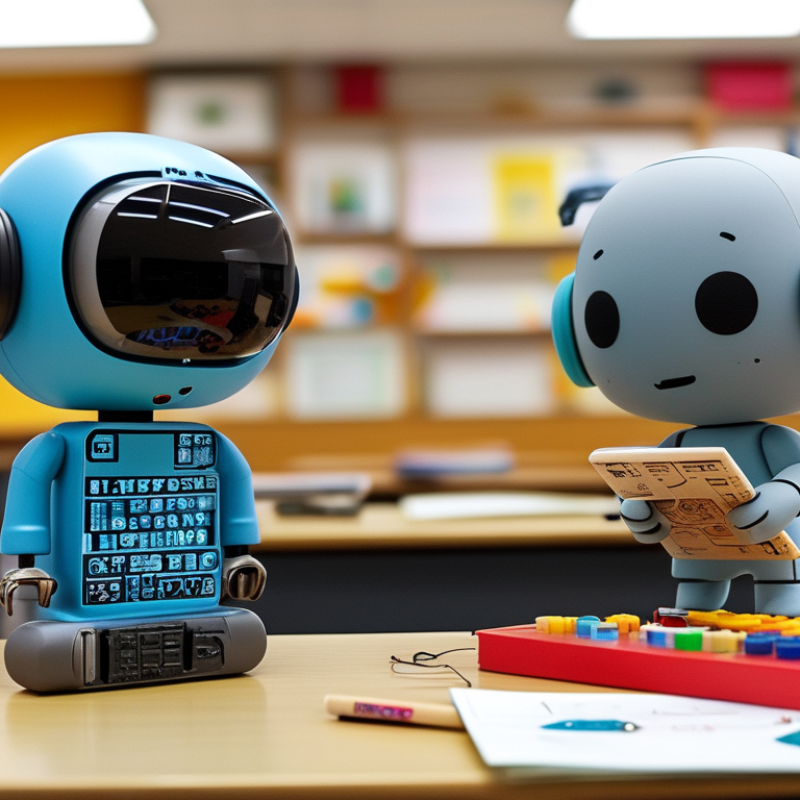
Electronic learning toys have become vital in educational settings. They offer interactive experiences that engage young learners. These toys often incorporate technology, blending play with educational content. This combination helps children grasp complex concepts through hands-on activities. They promote cognitive skills, social interaction, and creativity.
Various types of electronic learning toys exist. Some encourage problem-solving through puzzles, while others foster language development through storytelling. Teachers notice increased participation when these toys are used. However, not all toys are effective for every student. Each child learns differently, so educators must choose suitable toys. Reflection on student responses can guide future selections.
Integrating electronic learning toys in classrooms requires a thoughtful approach. Educators need to assess the educational value of these tools. Collaborating with parents can also enhance learning at home. While technology is beneficial, balance remains crucial to avoid overstimulation. Understanding both strengths and weaknesses leads to better implementation.
Electronic learning toys are becoming integral in modern classrooms. They offer a unique blend of engagement and education. Students interact with these tools in ways traditional methods do not allow. This hands-on approach fosters a deeper understanding of complex subjects. Children can explore math, science, and literacy through play. This makes learning enjoyable and less intimidating.
One significant benefit is immediate feedback. When students use these toys, they receive instant responses to their actions. This capability helps them identify mistakes quickly and learn from them. The quick cycle of trial and error encourages risk-taking in a safe environment. Moreover, many electronic toys adapt to a child's skill level, making learning personalized. Yet, there is a concern regarding screen time. Balancing electronic play with traditional activities is essential.
Engagement is another key advantage. Students often show increased motivation when working with electronic toys. They are captivated by interactive features. However, not all children respond the same way. Some may become overly dependent on technology. Teachers must guide them to use these resources wisely. Proper integration into lesson plans can enhance learning, but it requires careful planning and reflection on its effectiveness.
Classroom education is evolving, and electronic learning toys are at the forefront. Integrating these toys with traditional teaching methods can create an engaging environment. Teachers can use these tools to address different learning styles. For example, a math lesson could utilize an interactive game. This game would allow students to visualize problems. Using toys in lessons makes learning more tangible. Students can better grasp abstract concepts through play.
However, blending technology with traditional teaching poses challenges. Not every toy fits every lesson. Teachers must select the right tools carefully. Some toys may distract rather than enhance learning. Finding the balance between fun and education is crucial. Teachers might need training to use these toys effectively.
Incorporating electronic learning toys does not replace traditional methods. Instead, it complements them. Teachers can still use lectures, workbooks, and discussions alongside these toys. This combination can ignite curiosity in students. When managed well, it fosters a powerful learning experience. Reflection on both successes and setbacks will help improve this integration over time.
The integration of electronic learning toys in classrooms has shown promising impacts on student engagement and motivation. A study by the Education Development Center reveals that 78% of educators believe these tools enhance children's attention in class. Electronic toys, designed with interactive features, captivate students and encourage active participation. Research indicates that children who engage with technology-assisted learning display a 40% increase in retention rates compared to traditional methods.
Moreover, the National Education Association reports that gamified learning promotes collaboration among students. Electronic learning toys often incorporate elements of competition and teamwork. This creates a more exciting atmosphere for students. However, some educators express concerns about over-reliance on technology, fearing it might reduce critical thinking skills. Balancing screen time with traditional learning is crucial. Consequently, maintaining a mixed approach may yield the best results in engagement and retention.
Classroom environments enriched by electronic toys present diverse learning experiences. The American Academy of Pediatrics suggests that these aids can improve cognitive skills significantly. Yet, not every student responds positively to technology, highlighting the need for tailored educational strategies. Some children thrive in hands-on learning settings rather than virtual ones. Continuous assessment and adaptation are necessary to ensure all students benefit adequately from these advancements.
As technology continues to evolve, electronic learning toys are gaining traction in classrooms. Their integration is not without challenges. A key concern is the teacher's role in facilitating these tools. A 2022 survey from the Education Development Center found that 45% of educators feel unprepared to implement technology effectively. Without proper training, the full potential of electronic toys may not be realized.
Another significant hurdle is the disparity in access to technology. According to a report from the Pew Research Center, approximately 15% of households with school-age children lack reliable internet access. This limitation impacts the equitable use of electronic learning toys. Teachers must consider how to support students without access. Balancing innovative teaching methods with the reality of unequal technology exposure is crucial.
Lastly, there's the need for measurable outcomes. A study published in the Journal of Educational Technology showed that only 30% of schools track the impact of electronic learning tools on student performance. Without proper assessment methodologies, educators may struggle to justify the investments in these toys. Reflection on the implementation process and regular evaluation can help educators refine their strategies.
| Dimension | Description | Challenges | Considerations |
|---|---|---|---|
| Engagement | Increases student interest and participation in classroom activities. | Potential distractions leading to decreased focus. | Integrate with non-digital activities to maintain a balanced approach. |
| Skill Development | Supports the development of critical thinking, problem-solving, and teamwork skills. | Not all toys provide the same level of educational value. | Select toys aligned with educational objectives and standards. |
| Differentiated Learning | Caters to diverse learning styles and paces. | Requires careful monitoring of student progress. | Use data analytics to assess effectiveness and make adjustments as needed. |
| Teacher Training | Empowers educators with innovative teaching methods. | Inadequate training can lead to ineffective implementation. | Provide comprehensive training and ongoing support for educators. |
| Cost Effectiveness | Potential to enhance educational outcomes at a lower cost compared to traditional methods. | Initial investment can be high. | Evaluate long-term benefits against initial expenses during budgeting. |
: Electronic learning toys blend play and education, helping children learn concepts through interactive experiences.
They promote cognitive skills, social interaction, and creativity while engaging young learners actively.
No, effectiveness varies. Each child learns differently. Reflection on responses can inform better choices.
Educators should assess their educational value. Collaborating with parents can also enhance learning at home.
They significantly increase attention and retention rates, enhancing overall student motivation in class.
Yes, some educators worry it may reduce critical thinking. Balance with traditional learning is important.
Many feel unprepared to implement them effectively due to lack of training and support.
Students without reliable internet face limitations. Teachers must find ways to support these students.
Many schools do not track outcomes well, making it hard to justify the investment in these tools.
Continuous assessment and reflection on the implementation process are necessary for better outcomes.
Electronic learning toys have emerged as innovative tools that enhance classroom education by offering interactive and engaging learning experiences. These toys serve not only to define and enrich the educational landscape but also provide key benefits such as improving student engagement, motivation, and learning outcomes. By integrating electronic learning toys with traditional teaching methods, educators can create a more dynamic learning environment that caters to diverse learning styles.
Furthermore, the impact of these toys on student engagement cannot be understated, as they often inspire curiosity and participation among learners. However, it is essential to recognize the challenges and considerations for implementing these technologies effectively. Ultimately, the question of how can electronic learning toys support classroom education reflects a growing interest in leveraging technology to foster deeper understanding and collaboration among students.
FourE Toy