What Are Electronic Learning Toys and How Do They Benefit Kids

Time:2026-06-18 Author:Isabella
0%

Electronic learning toys have become increasingly popular in recent years. These innovative toys blend play with education, providing children with both fun and learning experiences. Dr. Emily Johnson, an expert in child development, states, "Electronic learning toys are tools that can foster creativity and critical thinking in young minds." This highlights their significance in modern parenting.

What are electronic learning toys? They are devices designed to engage children while teaching them essential skills. From language development to problem-solving, these toys cater to various learning styles. Parents appreciate their ability to make lessons interactive. Yet, there's room for improvement. Not all toys accurately balance fun and educational value.

Moreover, some toys may rely heavily on screens, raising concerns about overexposure to technology. Manufacturers must prioritize quality content. While electronic learning toys are beneficial, careful selection is essential to maximize their potential. Finding the right balance between engagement and education is key. Investing in high-quality options can make a real difference in a child's learning journey.
What Are Electronic Learning Toys and How Do They Benefit Kids

Definition of Electronic Learning Toys and Their Features

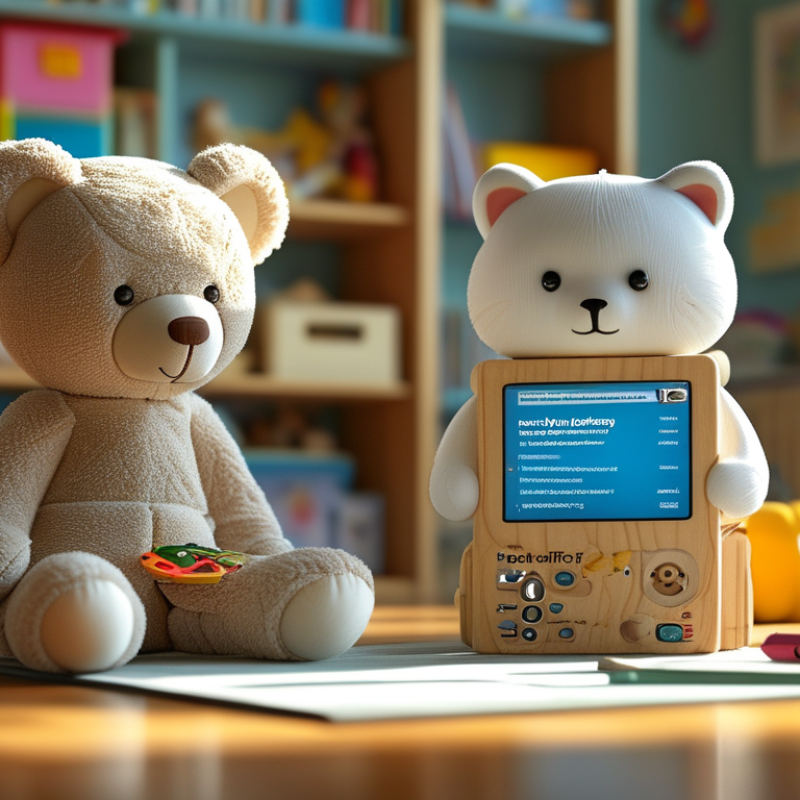
Electronic learning toys are innovative tools designed to facilitate learning through play. They combine technology with traditional educational concepts. These toys engage children in fun, interactive ways. Features often include touchscreens, sound effects, and responsive feedback. They can teach basic skills like counting, reading, and problem-solving. Moreover, they adapt to a child's learning pace.

Many electronic learning toys focus on specific subjects. For instance, some emphasize math through games and challenges. Others introduce language skills by encouraging reading and storytelling. Bright colors and appealing designs attract children's attention. The instant feedback they provide keeps young learners motivated. However, caregivers should monitor screen time to ensure a balanced play experience.

It's vital to remember that not all toys are equally effective. Some may solely entertain without educational value. Parents should research before making a purchase. A well-rounded approach can help integrate these tools into a child's daily routine. By promoting interactive learning, electronic toys can enhance cognitive development while offering a playful experience.

Types of Electronic Learning Toys Available in the Market

Electronic learning toys are transforming how children engage with education. They range widely in type, with options including interactive tablets, coding robots, and electronic building blocks. Each category serves a unique purpose, fostering skills in a fun and engaging way. For instance, coding robots introduce kids to programming concepts. According to a report by market analysts, the educational toy market is projected to grow significantly, reaching nearly $30 billion by 2025.

Interactive tablets have emerged as a popular choice. These devices often incorporate apps that develop literacy and numeracy skills. Many studies show that children learn better with hands-on activities, and these tablets provide just that. Building blocks that offer electronic features also hold promise. They encourage creativity and improve problem-solving skills. Yet, there are concerns regarding screen time. Parents need to balance screen exposure with outdoor play and conventional learning.

While electronic learning toys offer numerous benefits, they can’t replace traditional methods completely. Critical thinking and social skills are often best developed through face-to-face interactions. Experts recommend blending digital play with physical activities. This holistic approach helps ensure a well-rounded development. Understanding the limits of technology is crucial for maximizing its potential in child learning.

What Are Electronic Learning Toys and How Do They Benefit Kids - Types of Electronic Learning Toys Available in the Market

Type of Electronic Learning Toy Age Group Key Features Educational Benefits
Interactive Tablets 3-8 years Touch screen, educational apps, games Enhances literacy and numeracy skills
Coding Robots 5-12 years Programmable features, sensors Develops problem-solving and critical thinking skills
Learning Games Console 4-10 years Games covering various subjects Encourages healthy competition and teamwork
Electronic Storybooks 2-6 years Read-along features, sound effects Enhances listening skills and comprehension
Math and Science Kits 6-12 years Hands-on experiments, interactive activities Promotes STEM learning and experiential knowledge

Cognitive and Emotional Benefits of Electronic Learning Toys for Kids

Electronic learning toys are designed to engage children both cognitively and emotionally. These toys often incorporate technology to create interactive experiences. Such experiences stimulate curiosity and promote learning in various subjects, like math and language. Children play while building critical thinking skills. For example, a toy that teaches coding through games can spark a child's interest in technology.

Cognitive benefits are vast. Electronic learning toys help improve problem-solving abilities. Children face challenges that require logical reasoning. They learn to navigate obstacles, understand consequences, and make decisions. This engagement fosters a growth mindset. It encourages kids to keep trying, even when they fail. Emotional benefits are also significant. These toys can nurture a sense of accomplishment and boost self-esteem. When a child masters a new skill, they feel proud.

**Tips:** Choose toys that align with your child’s interests. This increases engagement and motivation. Keep an eye on screen time. Balance is crucial. Encourage collaborative play with peers or family. This aids social development and enhances communication skills. Reflect on what your child enjoys. This feedback can guide future learning experiences.

How Electronic Learning Toys Enhance Engagement and Interactivity

Electronic learning toys are transforming the way children interact and engage with educational content. These innovative tools combine play with learning, making education more appealing. Interactivity is a key component. When children touch, press, or speak to these toys, they receive immediate feedback. This hands-on approach promotes active participation and boosts retention.

Tips for parents: Choose toys that adjust to your child's learning pace. This ensures they remain challenged without becoming frustrated. Moreover, consider those that encourage creative play. Open-ended questions and problem-solving scenarios foster critical thinking.

Another important aspect is social interaction. Many electronic learning toys can be used in groups. This encourages teamwork among children. However, be cautious of over-reliance on technology. Balance is vital. Digital playtime should be supplemented with traditional learning methods, such as reading and hands-on activities.

Guidelines for Choosing the Right Electronic Learning Toy for Your Child

Choosing the right electronic learning toy for your child requires careful consideration. Look for toys that promote engagement and interactivity. According to a report by the National Association for the Education of Young Children, interactive toys can enhance cognitive skills and boost creativity. A fitting toy can improve a child's problem-solving abilities and foster emotional intelligence.

Safety is crucial when selecting a toy. Ensure it adheres to safety standards. The American Academy of Pediatrics emphasizes that toys should not have small parts that could be a choking hazard. Age-appropriate toys should also align with a child's developmental stage. Research from the Toy Industry Association suggests that 70% of parents prioritize educational value when purchasing toys. However, it’s essential to balance learning with fun.

Be mindful of screen time. Children under two years should have limited exposure. According to the World Health Organization, excessive screen time can affect attention spans. Select toys that facilitate hands-on experiences. These can be more beneficial than purely digital options. Finding the right balance is vital for healthy development.

Benefits of Electronic Learning Toys for Kids

This chart illustrates the various benefits of electronic learning toys for children, which can contribute to skill development and engagement.

FAQS

: What types of electronic learning toys are available?

: Options include interactive tablets, coding robots, and electronic building blocks. Each serves a unique educational purpose.

How do interactive tablets benefit children?

They incorporate apps that enhance literacy and numeracy skills, making learning more engaging through hands-on activities.

Are electronic learning toys as effective as traditional learning methods?

They provide benefits but cannot replace traditional methods completely. Face-to-face interactions remain important for certain skills.

What cognitive benefits do electronic learning toys offer?

They improve problem-solving abilities and logical reasoning, helping children learn to navigate challenges and make decisions.

Do electronic learning toys provide emotional benefits?

Yes, they boost self-esteem and foster a sense of accomplishment when children master new skills, promoting a growth mindset.

How should parents choose electronic learning toys?

Select toys that match your child's interests. This increases engagement and keeps them motivated to learn.

What is the importance of balancing screen time?

Limiting screen time is crucial to ensure children also engage in outdoor play and conventional learning experiences.

Can electronic toys promote social skills?

Yes, using these toys in groups encourages teamwork and communication among peers, aiding social development.

How can parents ensure their child is challenged by electronic toys?

Choose toys that adapt to the child’s learning pace, ensuring they are challenged but not frustrated.

What should parents reflect on when selecting toys?

Consider what your child enjoys and use that feedback to guide future learning experiences and toy selections.

Conclusion

Electronic learning toys are innovative educational tools designed to engage children through interactive play while fostering their cognitive and emotional development. These toys come in various types, including tablets, apps, and interactive games, each equipped with features that stimulate learning in subjects like math, language, and science. What are electronic learning toys? They are not just fun gadgets; they provide significant benefits by enhancing children's attention spans, encouraging problem-solving skills, and promoting social interactions.

The use of electronic learning toys enhances engagement and interactivity, making learning a more enjoyable experience. Parents looking to choose the right electronic learning toy for their child should consider factors such as age-appropriateness, educational value, and the child's interests. By selecting suitable toys, parents can ensure that their children gain a productive learning experience that blends fun with essential skills.

Isabella

Isabella

Isabella is a dedicated marketing professional with a sharp focus on driving brand growth and engagement through strategic content creation. With an extensive background in digital marketing, she combines her passion for storytelling with her keen understanding of industry trends to deliver......