The rise of electronic learning toys marks a significant shift in educational tools for children. According to a report by the American Academy of Pediatrics, play is essential for cognitive development. The report emphasizes that “the right playthings enhance skills and thinking.” Parents often wonder how do electronic learning toys enhance cognitive development in their children.
Experts, like Dr. Emily Chen, a child psychologist, suggest that these toys stimulate various areas of the brain. She states, “Interactive learning through play fosters critical thinking and creativity.” Electronic toys often incorporate games that promote problem-solving and memory skills. Advances in technology make these toys engaging while teaching foundational concepts.
However, reliance on screen-based toys raises concerns about overexposure to technology. Balance is key. Toys that combine physical interaction with electronic features can be beneficial. It's vital to choose toys that encourage active participation. As parents and educators explore options, understanding the impact of these toys on cognitive growth becomes crucial.
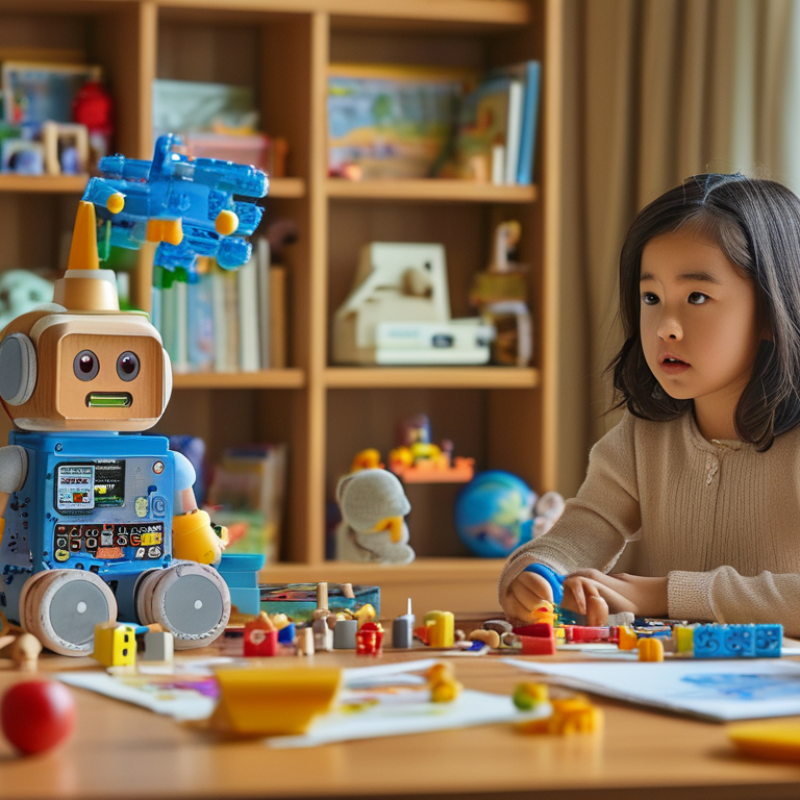
In the ever-evolving world of educational toys, electronic learning tools offer unique opportunities for cognitive growth. These toys engage young minds through interactive play and stimulating content. Children can explore numbers, letters, and even basic programming concepts. Many toys incorporate light and sound, creating a sensory-rich environment conducive to learning. Each interaction may help improve memory, attention span, and problem-solving skills.
However, it is vital to strike a balance. Excessive screen time can hinder development. Parents should monitor usage to ensure electronic play complements traditional learning methods. Choosing toys that encourage creativity and critical thinking can be beneficial. Feedback from educational professionals emphasizes choosing toys with adaptable challenges. They should evolve as children grow. This adaptability helps maintain interest and fosters sustained cognitive engagement.
The role of electronic learning toys is significant yet complex. They can ignite curiosity but may risk over-reliance on technology. Parents and caregivers must guide usage effectively. Encouraging collaboration with peers during play might enrich the experience. Observing children while they play can offer insights into their interests and learning styles. This awareness can help parents make informed choices about future educational engagements.
Cognitive development during early childhood is crucial for lifelong learning. It lays the foundation for critical thinking, problem-solving, and emotional intelligence. Engaging with interactive toys can stimulate these skills. Children explore their environment, fostering curiosity and innovation. Simple activities, like sorting colors or shapes, enhance recognition and understanding.
Parents and educators play vital roles. They must guide children in their activities, offering support and encouragement. However, it's important to recognize that not every child learns at the same pace. Some might struggle with new concepts. This variability demands patience and a tailored approach to each child's learning style. Observation is key to understanding individual needs.
Creating a rich learning environment can be challenging. Excessive screen time can hinder cognitive growth. Balance is necessary, blending digital and physical play. Encouraging outdoor exploration can enhance sensory experiences. The goal is to promote creativity while addressing potential learning gaps. Recognizing the strengths and weaknesses in a child's development fosters a more supportive atmosphere for growth.
When selecting electronic learning toys, it’s crucial to focus on features that enhance cognitive development. Research from the American Academy of Pediatrics indicates that educational toys should promote problem-solving skills and creative thinking. Look for toys that encourage interaction and active participation. These aspects help develop critical thinking at an early age.
One effective feature is adaptability. Toys that can adjust difficulty levels keep children engaged as they grow. For instance, toys that utilize feedback can adapt based on the child's progress. According to a report by Common Sense Media, children using interactive toys showed a 30% increase in retention rates compared to non-interactive counterparts. This speaks to the importance of engaging content.
Another key element is the integration of storytelling and narratives. Toys that present learning through stories can forge connections to real-world concepts. A study highlighted that children exposed to narrative-based learning performed 40% better in vocabulary tests. The immersive aspects keep children intrigued but may sometimes lead to overstimulation, necessitating balanced usage.
The market for electronic learning toys has seen significant growth. Parents increasingly recognize the potential of these toys to support cognitive development. Customized educational content is a key driver of this trend. Kids engage better with toys that offer tailored educational experiences.
In 2026, innovations in technology will likely influence demand. Interactive features, such as augmented reality and AI, will make learning more engaging. Children will crave hands-on experiences rather than passive play. However, not all toys deliver the promised benefits. Parents should research thoroughly to find those that truly enhance learning.
While there’s a marked increase in offerings, not every product is effective. Some toys fail to align with educational standards. This inconsistency can confuse parents who seek the best for their children. It’s essential to evaluate each toy critically. Look for reviews from trusted educational experts and consider developmental appropriateness.
Gamification in educational electronics is reshaping cognitive development. Studies show that 80% of children engage more deeply with learning when play is involved. When educational tools incorporate game-like elements, children often show improved problem-solving skills. For instance, a report from the Institute for the Future highlights that interactive learning can enhance memory retention by up to 30%.
However, the effectiveness of gamification is not uniform. Some kids may become frustrated with complex systems. They might lose interest quickly if the challenges are not age-appropriate or overly difficult. Personalization is key. Research indicates that adaptive learning technologies can boost engagement by tailoring experiences to the child's level and preferences.
One must also consider screen time. While electronic learning toys can be beneficial, excessive use can lead to attention issues. Balancing play and real-world interactions is essential for holistic development. Engaging children in hands-on activities alongside gamified learning can foster their cognitive skills more effectively than either approach alone.
| Toy Name | Age Group | Cognitive Skills Developed | Gamification Features | User Rating |
|---|---|---|---|---|
| Interactive Robot | 3-6 years | Problem-solving, Logic | Story modes, Challenges | 4.8/5.0 |
| Math Learning Tablet | 5-8 years | Numeracy, Memory | Level progression, Rewards | 4.6/5.0 |
| Coding Robot | 6-10 years | Logic, Creativity | Interactive games, Challenges | 4.9/5.0 |
| Language Learning Tool | 4-7 years | Vocabulary, Listening | Mini games, Progress tracking | 4.7/5.0 |
| Art and Design Tablet | 5-10 years | Creativity, Fine Motor Skills | Interactive tutorials, Challenges | 4.5/5.0 |
: It establishes a foundation for critical thinking and problem-solving. This impacts lifelong learning.
Parents can guide children, offering support and encouragement during activities. It’s vital to recognize each child's unique learning pace.
Simple tasks, like sorting colors or shapes, encourage recognition and understanding. Outdoor exploration engages senses and fosters creativity.
These toys promote problem-solving and creative thinking through interactive elements. Engaging content can increase retention rates significantly.
Adaptability is crucial. Toys that adjust difficulty levels keep children engaged and learning as they progress.
Narrative-based learning helps children connect concepts to the real world. This can significantly improve vocabulary skills.
Gamification makes learning engaging. Children often show improved problem-solving skills when play is involved.
Excessive screen time may lead to attention issues. Balance between digital play and real-world interactions is necessary.
If challenges are too complex or difficult, children may become frustrated and lose interest. Personalization is essential.
Combining hands-on activities with gamified learning can enhance cognitive skills better than relying solely on one approach.
The article titled "2026 Best Electronic Learning Toys for Cognitive Development" explores the crucial role of electronic learning toys in fostering cognitive growth during early childhood education. It emphasizes the importance of cognitive development, detailing how these toys can provide interactive and engaging experiences that stimulate critical thinking, problem-solving skills, and creativity in young learners.
Key features that enhance learning include adaptive learning technologies, sensory feedback, and gamified content, which not only maintain children's interest but also facilitate a deeper understanding of concepts. Furthermore, the article discusses current market trends indicating a rising demand for such educational tools, alongside highlighting the positive impact of gamification on children's cognitive skills. Ultimately, the discussion provides insights into how electronic learning toys enhance cognitive development, creating an environment where children can thrive and learn effectively.

FourE Toy