In recent years, electronic learning toys have gained significant attention in early childhood education. Studies show that these toys can enhance cognitive skills, promote creativity, and improve problem-solving abilities in children. According to a report by the Educational Toys Association, the market for electronic educational toys is projected to grow by 10% annually, indicating a strong demand for these innovative products.
Dr. Emily Green, a child development expert, emphasizes the transformative impact of these toys. She states, "What are the benefits of electronic learning toys? They not only facilitate learning but also engage children's imagination in a different way." This combination of play and education fosters a deeper connection to learning processes. Nevertheless, there are concerns. Over-reliance on technology could hinder traditional play and social interaction.
Balancing screen time with hands-on activities remains crucial. Parents must choose toys wisely, considering the educational value and potential drawbacks. As the industry evolves, being informed about the benefits and challenges is essential for ensuring children's healthy development.
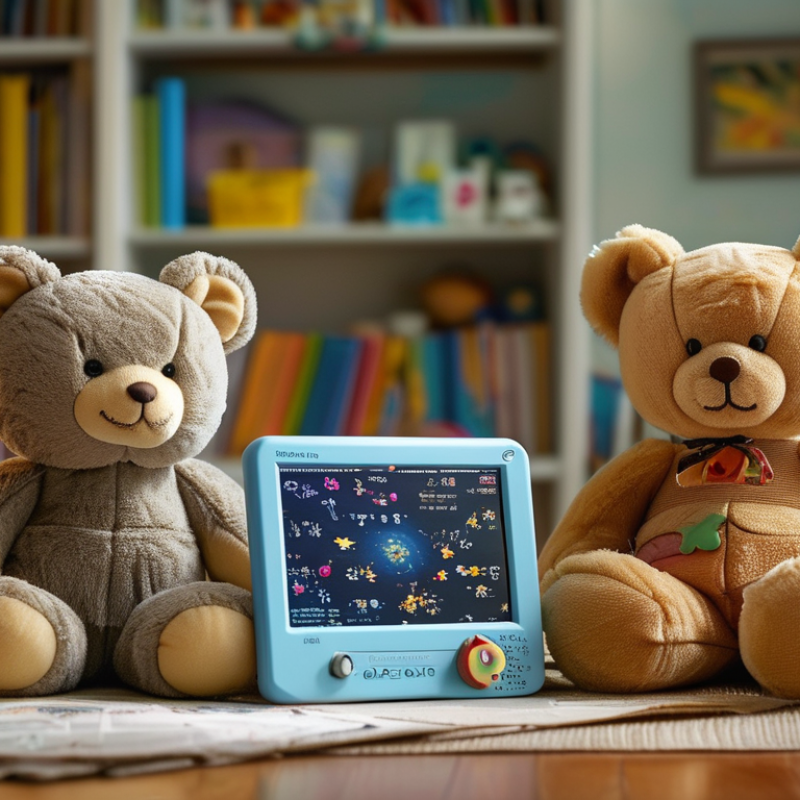
Benefits of Electronic Learning Toys for Cognitive Development in Kids
Electronic learning toys have become an essential tool for cognitive development in kids. These toys stimulate curiosity and encourage exploration. They offer interactive experiences that engage young minds, making learning enjoyable. Many toys use colors, sounds, and pictures to capture attention. This multisensory approach helps children absorb information in various ways.
Incorporating electronic learning toys into playtime can significantly aid in problem-solving skills. Kids learn to navigate challenges as they interact with different features. They may face situations where they need to think critically or make quick decisions. This process fosters resilience and adaptive thinking. Moreover, these toys often promote social skills when kids play together, encouraging teamwork and communication.
However, it's important to strike a balance. Excessive screen time can lead to frustrations. Parents should monitor usage to ensure it remains a healthy part of play. Involving children in discussions about their experiences with these toys can also enhance their learning. Reflection can deepen their understanding and help them articulate their thoughts better. By carefully choosing and moderating electronic learning toys, you can support healthy cognitive development.
Enhancement of Motor Skills Through Interactive Learning Toys
Interactive learning toys play a crucial role in enhancing motor skills for kids. These toys often require children to engage physically, which boosts their fine and gross motor skills. For instance, toys that involve stacking or fitting pieces together help develop hand-eye coordination. Children become more adept at manipulating small objects as they play. This hands-on approach is essential for effective learning.
Parents might notice that their children show improved dexterity after regular play with these toys. It might be surprising how engaged kids become with activities that require concentration and movement. Some children might struggle initially, but those challenges can lead to growth. Learning to grip, pull, or push these toys helps in building strength. As they master these skills, their confidence rises.
Observation of kids during play can reveal significant developmental benefits. They laugh, experiment, and sometimes even get frustrated. However, that’s part of the learning journey. The trial-and-error process is vital; it teaches resilience. Kids learn to solve problems. Every interaction with a toy contributes to their physical and cognitive development in unique ways.
Promotion of STEM Skills with Electronic Learning Tools
Electronic learning toys are revolutionizing childhood education. They help kids grasp concepts in science, technology, engineering, and math (STEM). These toys engage young minds through interactive play, fostering curiosity and problem-solving skills.
Research shows that children learn best when they are actively involved. Electronic toys provide instant feedback, keeping kids engaged. This feedback loop helps reinforce learning. For example, a child might solve a puzzle and receive a congratulatory sound. This creates a positive association with learning.
Tips: Encourage hands-on exploration. Let your child experiment with different functions of the toy. Failure is part of learning. Discuss with them what went wrong and how they can improve. This promotes resilience and critical thinking.
Combining fun and education, these tools empower children. They can work on coding, robotics, and engineering tasks. The process can sometimes be frustrating, but it teaches persistence. Celebrate small victories along the way. That boosts confidence and keeps motivation high.
Top 5 Benefits of Electronic Learning Toys for Kids
Engagement and Attention Span Improvement via Digital Play
Digital play is transforming how children engage with learning. Electronic learning toys capture attention through interactive features. Bright colors and sounds stimulate a child's curiosity. Kids are more likely to stay focused when they use engaging digital tools. This is a significant improvement compared to traditional toys.
The immersive nature of these toys can enhance attention spans. Children are drawn into a world of exploration. Each interaction opens the door to new ideas and concepts. However, there is a fine line. Too much screen time can lead to distractions and overstimulation. Balance is crucial; parents should guide playtime to ensure it remains beneficial.
Quality matters when it comes to these toys. Not all digital games foster genuine learning. Parents need to choose wisely. Research shows that well-designed electronic toys can make a difference. Effective toys encourage problem-solving and creativity. Engaging children in this digital realm can lead to deeper understanding. However, constant supervision and moderation can enhance the experience.
Top 5 Benefits of Electronic Learning Toys for Kids
| Benefit |
Description |
Age Group |
Example Toys |
| Enhanced Engagement |
Interactive features keep children focused and motivated to learn. |
3-5 years |
Interactive tablets, smart plush toys |
| Improved Attention Span |
Digital play techniques enhance children's ability to concentrate for longer periods. |
5-7 years |
Educational gaming consoles, coding robots |
| Skill Development |
Toys develop critical thinking, problem-solving, and motor skills. |
4-8 years |
Puzzle games, building kits |
| Personalized Learning |
Adaptive technology provides tailored educational experiences. |
3-6 years |
Customizable learning apps, interactive books |
| Social Interaction |
Multiplayer games promote teamwork and communication among kids. |
6-10 years |
Cooperative video games, social learning platforms |
Building Social Skills and Collaboration through Group Learning Toys
Group learning toys provide numerous advantages for children's development. These toys encourage teamwork and enhance social skills among peers. In a study by the American Psychological Association, 85% of educators believe that collaborative play improves communication skills in preschool-aged children. This interaction fosters essential skills such as negotiation and empathy.
When children engage with electronic learning toys in a group, they learn to share and take turns. According to a report from the National Institute for Early Education Research, kids who participate in cooperative play show a 30% improvement in their ability to resolve conflicts. They experience diverse perspectives and learn to appreciate others’ ideas.
However, not all children thrive in group settings. Some may feel overwhelmed or struggle with participation. It's important for caregivers and educators to provide guidance. Creating a balanced environment encourages shy kids to engage while supporting those who may dominate the play. This reflection is vital for fostering an inclusive atmosphere where all children benefit from collaborative learning experiences.
FAQS
: They stimulate curiosity and encourage exploration through interactive experiences. Kids learn while having fun.
Problem-solving skills, critical thinking, and resilience are enhanced as kids navigate challenges during play.
Interactive play promotes teamwork and communication when kids engage with each other using the toys.
Excessive screen time can lead to frustration. Parents should monitor usage to maintain healthy play.
Talking about experiences helps deepen understanding and improves children's ability to articulate their thoughts.
Yes, engaging toys with interactive features can help kids stay focused longer than traditional toys.
Well-designed toys encourage genuine learning. Parents should select toys that foster problem-solving and creativity.
Regular supervision helps ensure that play remains beneficial and the experience is enhanced.
It can lead to distractions and overstimulation if not monitored properly.
No, not all toys promote genuine learning. Parents need to choose wisely based on research and design.
Conclusion
Electronic learning toys offer a multitude of advantages for children's development. Firstly, they significantly contribute to cognitive growth by stimulating critical thinking and problem-solving skills. Through interactive features, these toys enhance motor skills, allowing kids to engage in hands-on learning experiences that foster coordination and dexterity. Additionally, they play a vital role in promoting STEM skills, providing young learners with foundational knowledge in science, technology, engineering, and mathematics.
Moreover, what are the benefits of electronic learning toys in terms of engagement? They captivate children's attention and improve their focus through interactive play, ensuring that learning is both enjoyable and effective. Lastly, many electronic learning toys encourage group interaction, fostering social skills and collaboration among peers. Overall, these toys not only entertain but also equip children with essential skills for their future.

 FourE Toy
